Managing your weight doesn’t have to be a daunting task. With the right strategies, you can achieve your goals without sacrificing your favorite foods or spending endless hours at the gym. Here are three expert-backed tips to help you manage your weight effectively and sustainably.
1. Balance Your Plate: The 80/20 Rule
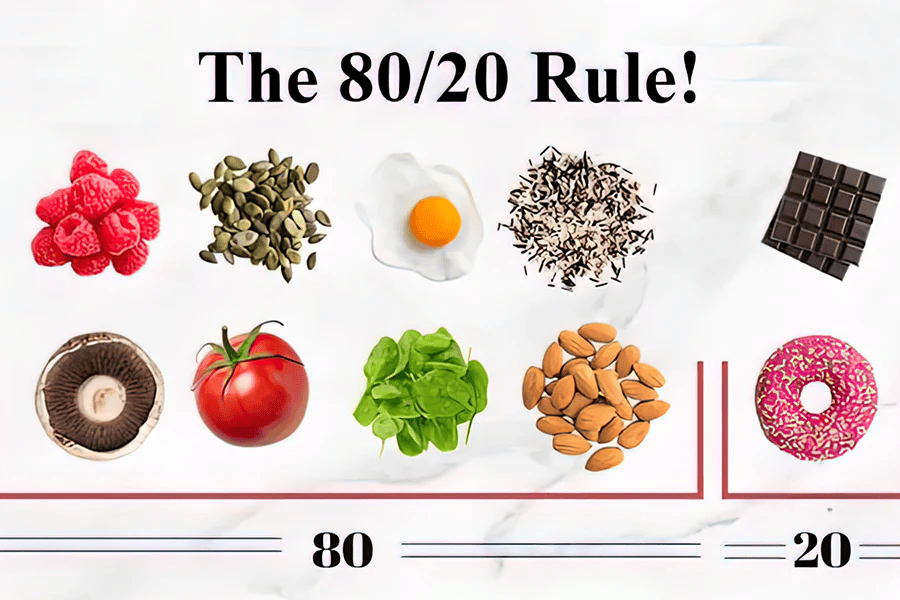
Achieving a balanced diet is key to weight management. Follow the 80/20 rule: make 80% of your meals healthy and nutritious, focusing on whole foods like fruits, vegetables, lean proteins, and whole grains. Reserve 20% for indulgent treats, so you never feel deprived. This balance ensures you get essential nutrients while still enjoying the foods you love, making it easier to stick to your eating plan in the long term.
2. Stay Active with Fun Workouts
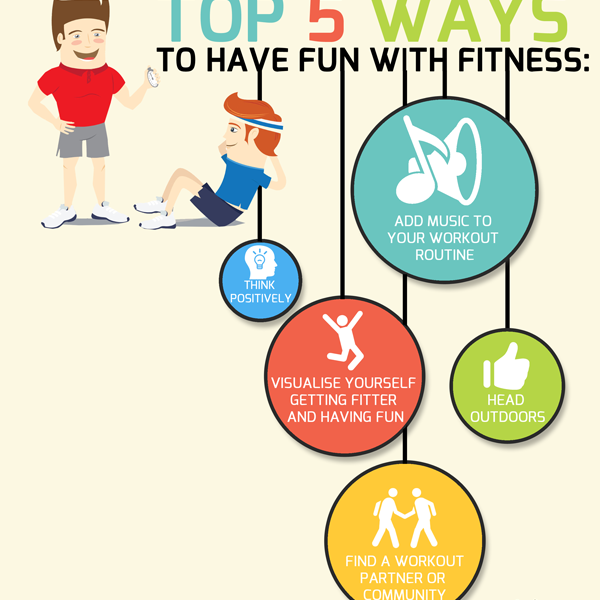
Exercise is crucial for weight management, but it doesn’t have to be a chore. Find activities you enjoy, such as dancing, hiking, or playing a sport. The key is consistency, so aim for at least 150 minutes of moderate aerobic activity or 75 minutes of vigorous activity each week, along with muscle-strengthening exercises on two or more days a week. By making workouts fun and engaging, you’re more likely to stick with them and see lasting results.
3. Mindful Eating: Savor Every Bite
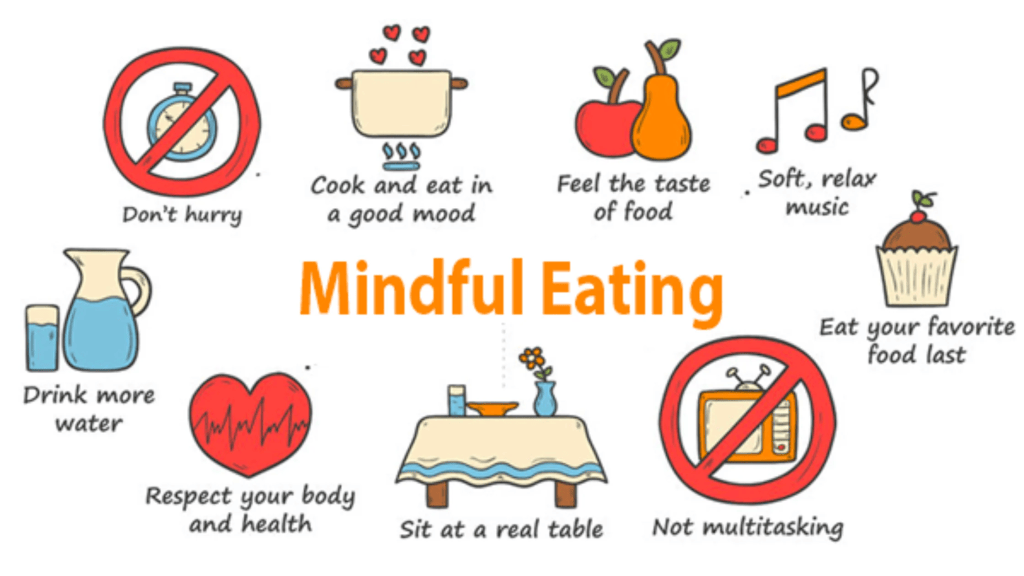
Mindful eating is a powerful tool for weight management. Pay attention to your hunger and fullness cues, and savor every bite of your meals. Avoid distractions like TV or smartphones while eating, and take the time to appreciate the flavors and textures of your food. This practice can help prevent overeating and promote a healthier relationship with food, leading to better weight control and overall well-being.
By incorporating these tips into your daily routine, you can achieve and maintain your ideal weight in a way that is both enjoyable and sustainable. Start today and take the first step towards a healthier, happier you!
Living with diabetes requires mindful eating and a well-balanced diet to manage blood sugar levels effectively. A diabetic diet doesn’t mean deprivation; rather, it’s about making healthier food choices that can help control blood glucose, maintain a healthy weight, and reduce the risk of complications. Here’s a simple guide to get you started on a healthy diabetic diet:
1. Understand Carbohydrates
Carbohydrates have the most significant impact on blood sugar levels. Focus on complex carbohydrates that are high in fiber and have a lower glycemic index. These include:
Whole grains (brown rice, quinoa, whole wheat)
Vegetables (leafy greens, broccoli, cauliflower)
Legumes (beans, lentils)
Fruits (berries, apples, pears)
2. Choose Healthy Fats
Healthy fats are essential for heart health and overall well-being. Opt for:
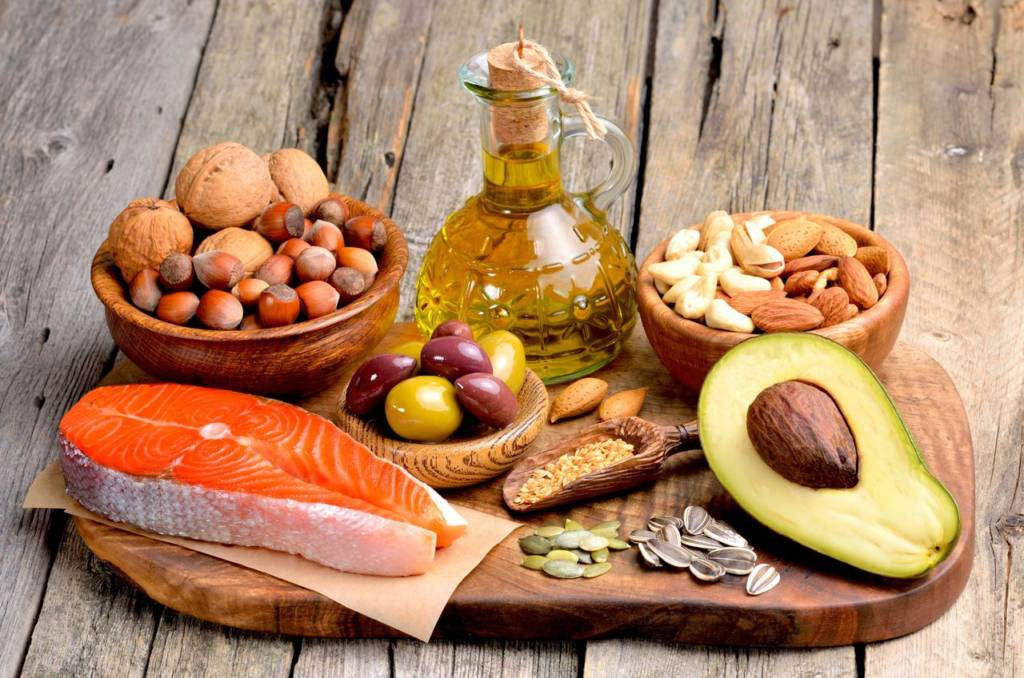
Monounsaturated fats (olive oil, avocados, nuts)
Polyunsaturated fats (fatty fish like salmon, walnuts, flaxseeds)
Avoid trans fats and limit saturated fats found in fried foods, processed snacks, and fatty cuts of meat.
3. Prioritize Protein
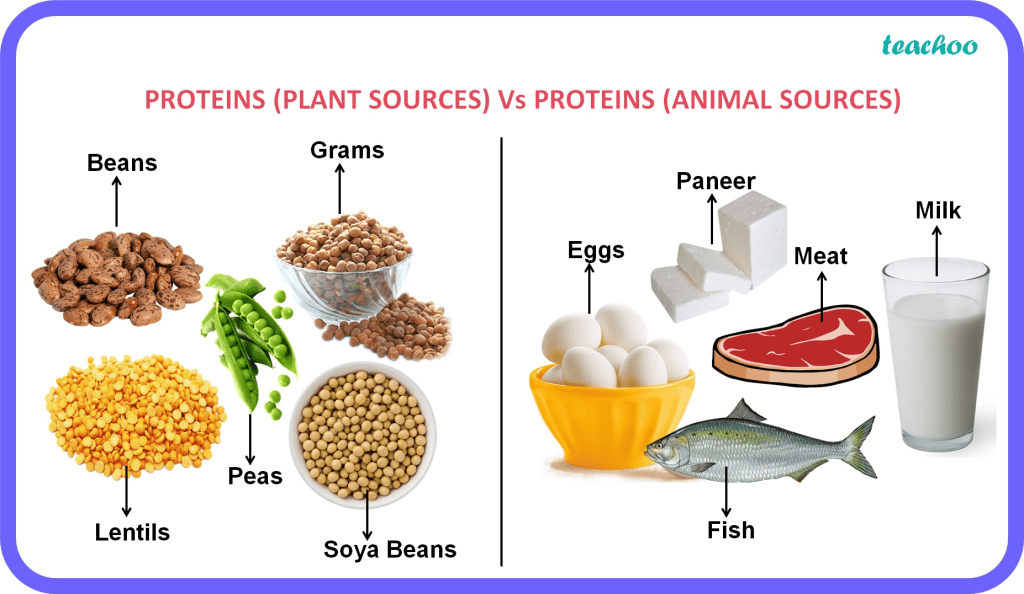
Proteins help in maintaining muscle mass and keeping you full. Include a variety of protein sources such as:
Lean meats (chicken, turkey)
Fish and seafood
Plant-based proteins (tofu, tempeh, legumes)
Dairy products (Greek yogurt, low-fat cheese)
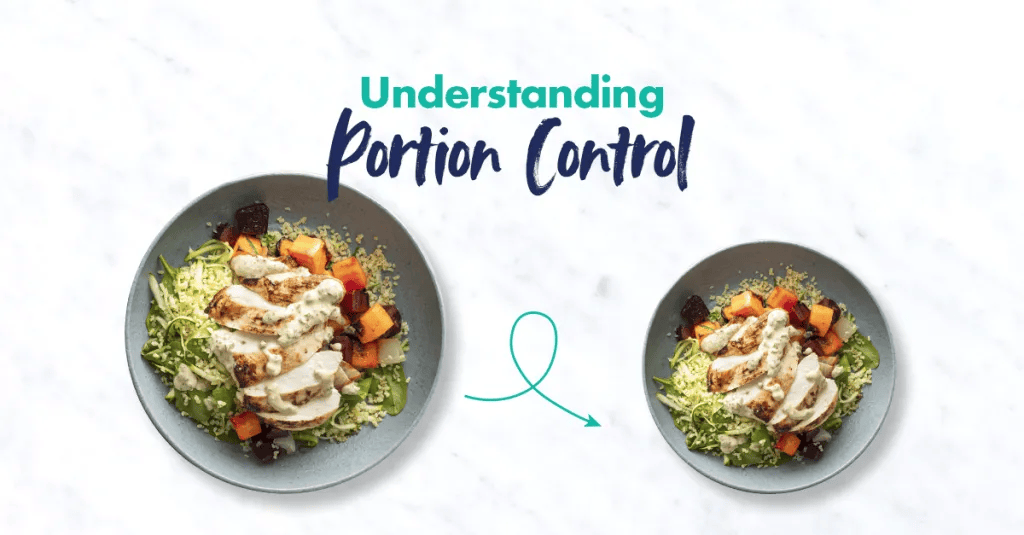
4. Monitor Portions
Portion control is crucial in a diabetic diet. Eating smaller, more frequent meals can help maintain stable blood sugar levels. Use tools like measuring cups or a food scale to keep portions in check.
5. Stay Hydrated
Water is essential for all bodily functions, including maintaining proper blood sugar levels. Aim to drink at least 8 glasses of water a day. Limit sugary drinks and opt for water, herbal teas, or sparkling water.
6. Plan Your Meals
Planning meals ahead of time can help you make healthier choices and avoid last-minute unhealthy options. Include a balance of carbohydrates, proteins, and fats in each meal, and keep healthy snacks like nuts, seeds, or fruits handy.
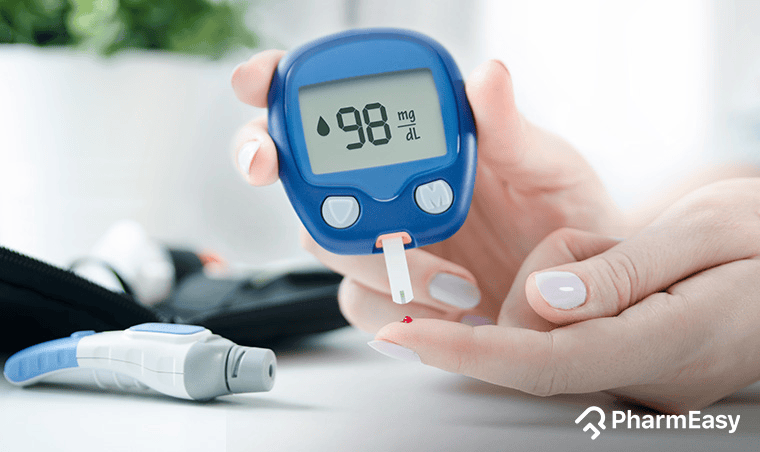
7. Monitor Your Blood Sugar Levels
Regular monitoring of blood sugar levels helps you understand how different foods affect you. Keep a log of your readings and food intake to identify patterns and make necessary adjustments.
Sample Meal Plan for a Day
Breakfast:
Oatmeal topped with fresh berries and a sprinkle of chia seeds
A cup of green tea
Snack:
A handful of almonds
Lunch:
Grilled chicken salad with mixed greens, cherry tomatoes, cucumber, and a vinaigrette dressing
A small apple
Snack:
Carrot sticks with hummus
Dinner:
Baked salmon with quinoa and steamed broccoli
Mixed green salad with olive oil and lemon dressing
Snack:
Greek yogurt with a few sliced strawberries
Conclusion
A diabetic diet doesn’t have to be complicated or restrictive. By making mindful choices and focusing on whole, nutrient-dense foods, you can manage your diabetes effectively and lead a healthier life. Remember, it’s always beneficial to work with a registered dietitian or a nutritionist to tailor a plan that fits your individual needs and preferences.
For more personalized guidance and support, consider joining our Diabetic Management Program at Care Through Nutrition. We’re here to help you navigate your journey to better health with expert advice and personalized diet plans.
“Hi there! 👋 I’m Dhanalakshmi, the writer behind this blog. Passionate about helping people to lose weight in an interesting and a healthy way, I love sharing this article with you all. Dive into my articles below and join me on this journey of discovery! 📝✨ #Blogger #Writer #Passion”
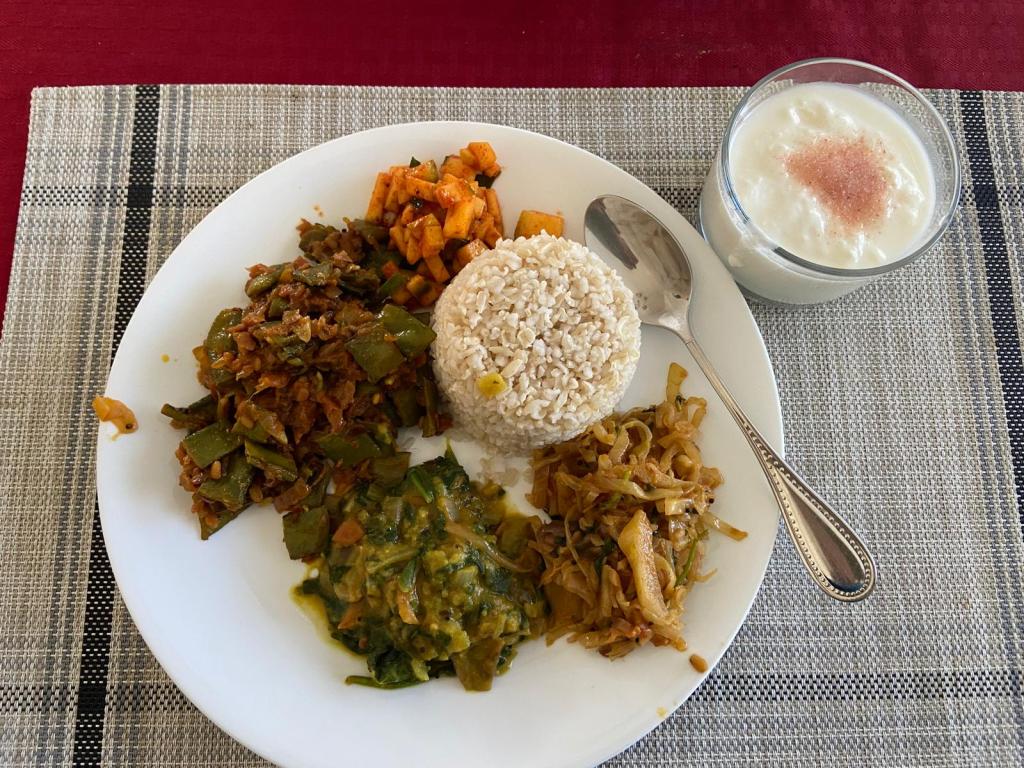
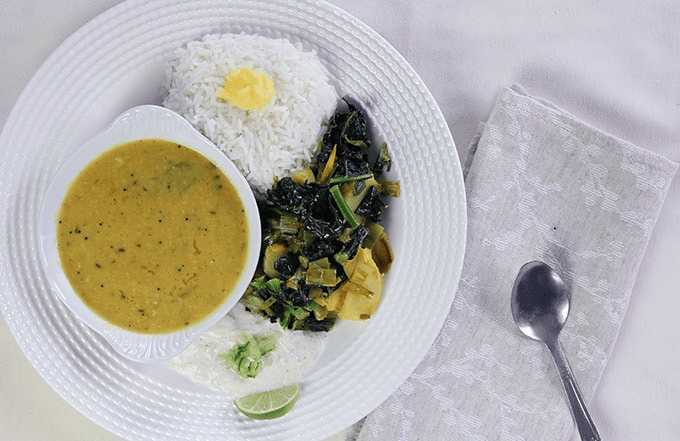
Embarking on a weight loss journey doesn’t have to mean bidding farewell to beloved foods like rice. With mindful strategies, you can savor your favorite dishes while shedding those extra pounds. Here’s how you can incorporate rice into a healthy weight loss plan without overeating, maintaining a calorie deficit for successful results.
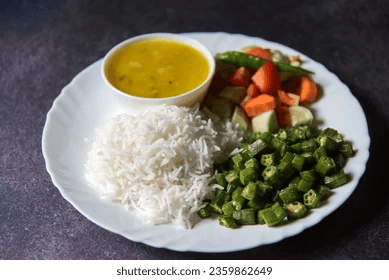
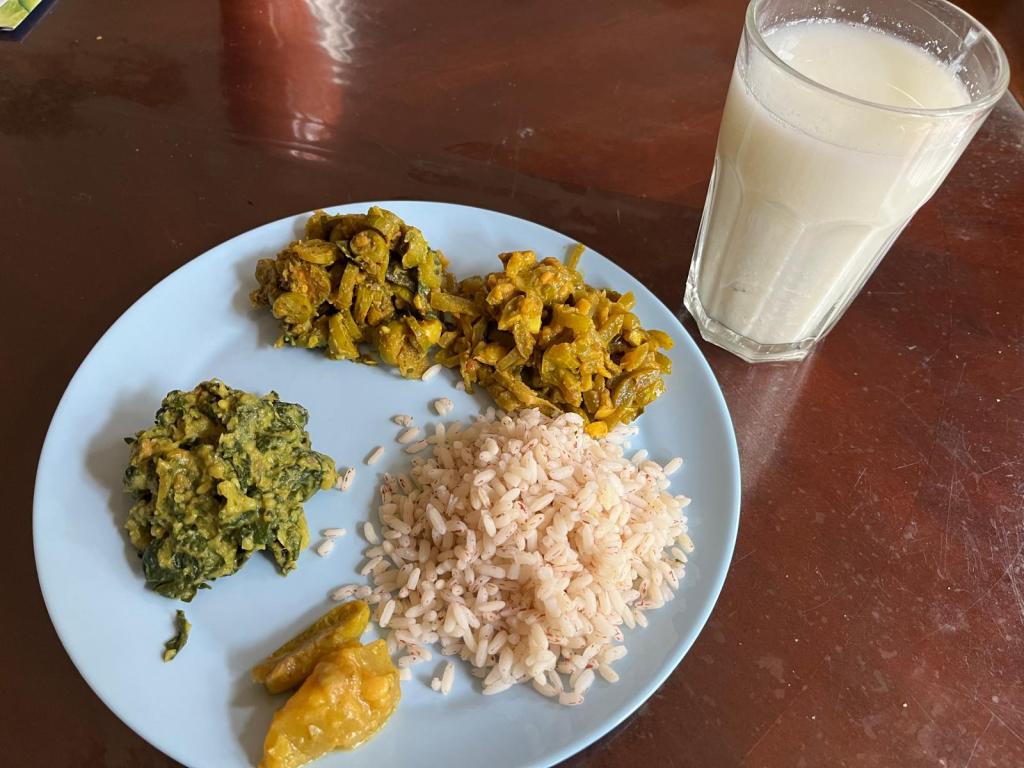
Embrace More Dal with Your Rice: To prevent overeating, ensure your plate boasts a balanced distribution of rice alongside other meal components. Opt for more dal (lentil curry) or vegetable curry and less rice. The protein and fiber-rich dal or curry will induce a sense of fullness faster, reducing the amount of calorie-dense rice consumed. This approach facilitates portion control and lowers calorie intake without feelings of deprivation.
Amp Up Salad Intake: Incorporate a generous serving of salad alongside your rice-based meal to feel satiated without excess calories. Vegetables are low in calories yet high in fiber, vitamins, and minerals, promoting fullness and discouraging overindulgence in rice. Choose light salad dressings to keep calorie counts in check.
Pair with Protein: Protein is a crucial ally in curbing overeating tendencies. Pair rice with lean protein sources like grilled chicken, tofu, fish, or beans. This combination fosters a balanced and filling meal, curbing cravings and aiding in muscle maintenance and growth.
Sip on Buttermilk: Buttermilk complements rice-based meals during weight loss efforts. Low in calories and rich in probiotics, buttermilk aids digestion and keeps you hydrated. Sipping on buttermilk during meals promotes a feeling of fullness and adds a tangy flavor dimension to your dishes.
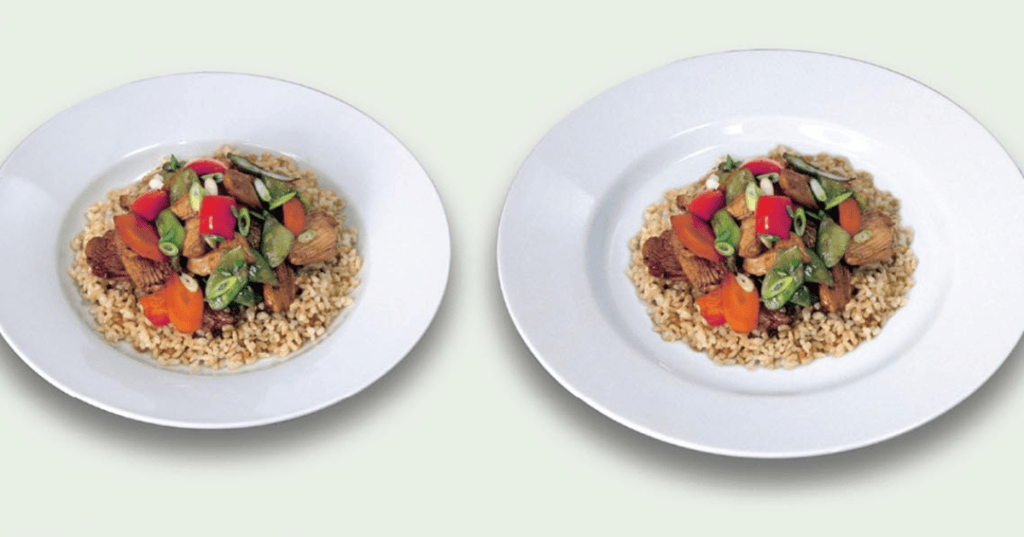
Utilize Smaller Plates: Plate size significantly impacts eating habits. Opting for smaller plates can trick the mind into perceiving a substantial food volume. Placing a reasonable portion of rice, dal, and veggies on a smaller plate creates the illusion of a satisfying meal, aiding in reducing rice consumption without sacrificing satiety.
Weight loss doesn’t necessitate sacrificing favorite foods like rice. By implementing these tips and tricks, you can relish rice while managing portions and preventing overindulgence. Prioritize protein, incorporate ample vegetables, opt for smaller plates, and embrace buttermilk as a mealtime companion for a successful weight loss journey.
As, a health care professional I strive to create a healthier environment for our children, your support as a parent plays a pivotal role. Together, we can make a significant impact on the lives of our children and set them on a path towards a brighter, healthier future.
Young children’s diets are frequently comprised of grains – with little fruit, vegetables, eggs, dairy, fish or meat. Many are increasingly being fed sugary drinks and packaged snacks high in salt, sugar and fat.
Poor diets in early childhood can lead to deficiencies in essential vitamins and nutrients – such as vitamin A deficiency, which weakens children’s immunity, increases their risk of blindness and can lead to death from common childhood diseases like diarrhea.
Meeting children’s nutrient needs in early life can be challenging, and many parents face barriers to securing enough nutritious, safe, affordable and age-appropriate food for their children. These challenges are even greater during conflicts, disasters and other humanitarian crises.
Improving the quality of children’s foods and feeding practices in the earliest years of life is the cornerstone of preventing malnutrition in all its forms and gaining maximum strength.
Role of nutrients in Physical and cognitive growth of children:
Do you want your child to be bright in school and in other activities? You need to keep a check on these nutrients,
Nutrition is a key component for mental development, mood alteration, behavior, and physical health. Your child needs the right nutrition for his/her brain development.
Nutrition influences the brain’s ability to adapt and reorganize itself in response to experiences and learning. Adequate nutrition supports neuroplasticity, the brain’s capacity to form new neural connections and pathways, which is essential for learning, memory formation, and skill development.
Good Fats:
Lipids, or fats, are essential to the proper development of the brain. This is because the brain is composed primarily of fatty tissue. Lipids in the brain “represent about 60% of its dry weight and more specifically they make up 80% of nerve cells. Fatty acids play an important structural role in membranes… such that communication both from and to the cell is facilitated” The amount of lipids within the brain allows for the rapid transfer of impulses and data. This is what allows humans to process rapid thoughts and actions.
Proteins:
Amino acids from protein-rich foods are essential for synthesizing neurotransmitters like serotonin, dopamine, and acetylcholine, which play key roles in mood regulation, attention, learning, and memory.
Protein is also important in allowing the brain to progress to a higher level of thought.
Glucose:
Glucose, obtained from carbohydrates, is the primary energy source for the brain. A steady supply of glucose is essential for maintaining cognitive function, attention, and concentration. Low blood sugar levels (hypoglycemia) can impair cognitive performance.
Antioxidants:
Antioxidants, such as vitamins C and E, and phytochemicals found in fruits and vegetables, help protect the brain from oxidative stress and inflammation. Oxidative stress can damage brain cells and impair cognitive function.
Nutrients required for brain structure:
The brain requires various nutrients such as omega-3 fatty acids, iron, zinc, choline, and vitamins (especially B vitamins and vitamin D) for optimal growth and development. Deficiencies in these nutrients can lead to structural abnormalities and impairments in brain function.
Nutrients required for physical growth:
Do you think your child is underweight or overweight or feeling weak?
You need to keep a check on these key nutrients:
Proteins:
Proteins are the building blocks of our body. Your child needs adequate proteins based on his height and age to keep in a healthy weight and to build his strength and stamina.
Vitamin A:
Vitamin A is best known for the role it plays in building good vision. Inside the retina of the eye, there are small rods and cones which light bounces off when it enters the eye. The reflection of light breaks these rods and cones down, and it is vitamin A that helps them to regenerate. If a person does not get enough vitamin A these rods and cones will eventually wear down, making it difficult to see properly in certain lighting.
vitamin A boosts the immune system. It serves much the same function as vitamin C in that it acts as an antioxidant to destroy free radicals in the body. It also plays a role in physical growth and cellular reproduction. Without the proper amount of vitamin A cells could not possibly perform their tasks properly.
Vitamin B:
The B vitamins, such as B12 and B6, are very important vitamins because they help keep the digestive system working properly. Without these nutrients it would be impossible for people to properly digest their food. The B vitamins allow the body to digest other nutrients properly, and in doing so they allow people to gain the nutrition they need to function.
Vitamin C:
One nutrient that is especially important for maintaining a healthy immune system is vitamin C. Vitamin C helps boost the body’s ability to fight off illnesses before they become a serious problem. Vitamin C is also an antioxidant which helps protect the body from free radicals in the cells, and by doing so it can reduce the chances that an individual will develop cancer or other life threatening conditions.
Vitamin D:
Vitamin D is best known for its role in helping calcium protect the bones. The body can manufacture vitamin D using sunlight. Vitamin D also helps to prevent rickets, a childhood disease in which the bones are weakened and deformed.
Vitamin E:
Vitamin E is another important nutrient. Eating foods rich in vitamin E can help to prevent and treat diseases such as anemia. This vitamin helps prevent these diseases by promoting the flow of blood in the body and proper blood cell development. Vitamin E helps keep the blood cells healthy, and in doing so enables the blood to continue moving freely to all parts of the body.
Vitamin K:
Vitamin K is well known for helping clot the blood. Even a small injury could prove problematic if vitamin K did not promote clotting to prevent the loss of too much blood. Severe injuries could be potentially fatal without this nutrient. Vitamin K slows and stops bleeding, enabling injured people to survive long enough to receive treatment.
Zinc:
One mineral that is often overlooked when considering health benefits is zinc. Zinc is also a very important component of every living cell. Zinc helps to form the structure of the bodies’ cells, preventing them from losing their shape and collapsing. Without the structure that zinc provides for the cells it would be impossible for humans to function at the cellular level, and as a result they would not be capable of function as human beings.
Nutrients for dental health:
Fluoride is a mineral which is essential for the proper maintenance of one’s teeth. A proper intake of fluoride can help to prevent tooth decay and strengthen the enamel. Proper care of our teeth is important. The amount of fluoride that needs to be consumed is negligible, but the benefits are immense. If one gets enough fluoride they can maintain good dental health into their old age and be able to continue eating nutritious food
Now that you know the various nutrients that will help your child for physical and cognitive growth. Hear is how you need to balance the nutrients in your child’s plate.
Building a healthy and balanced diet
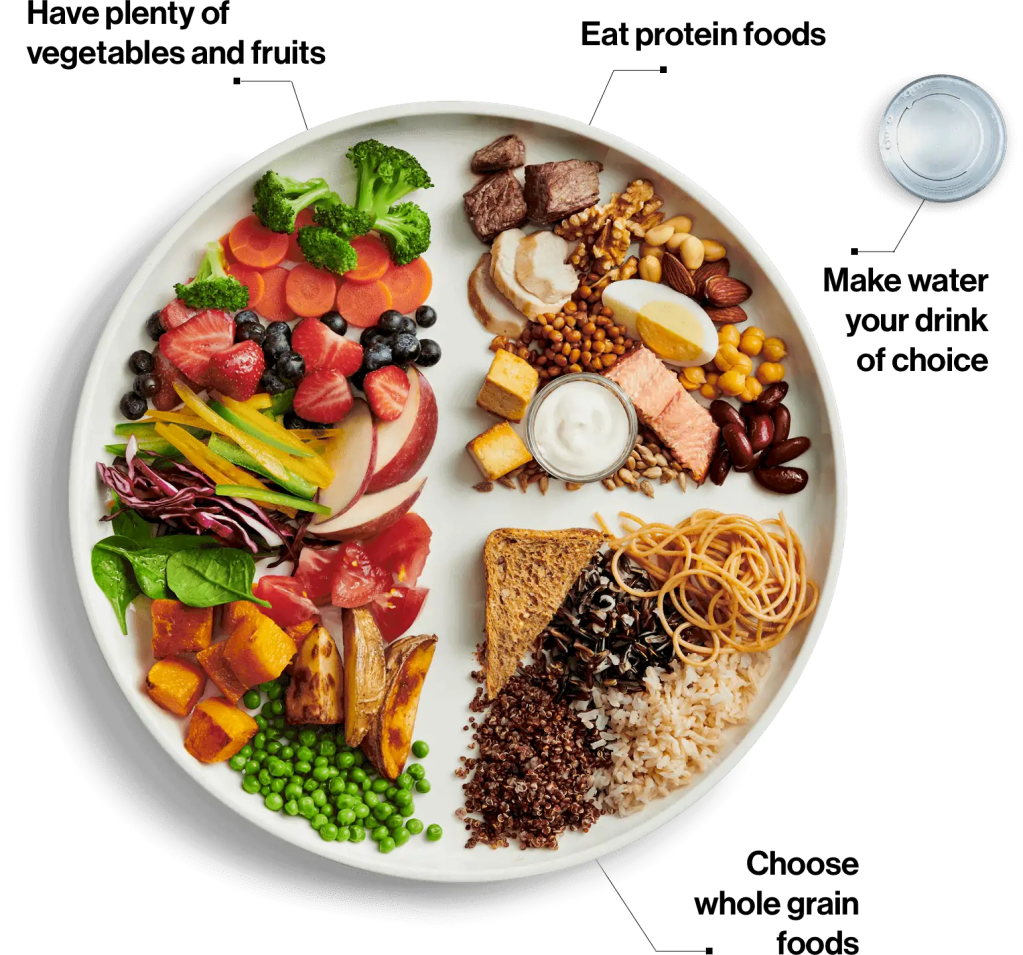
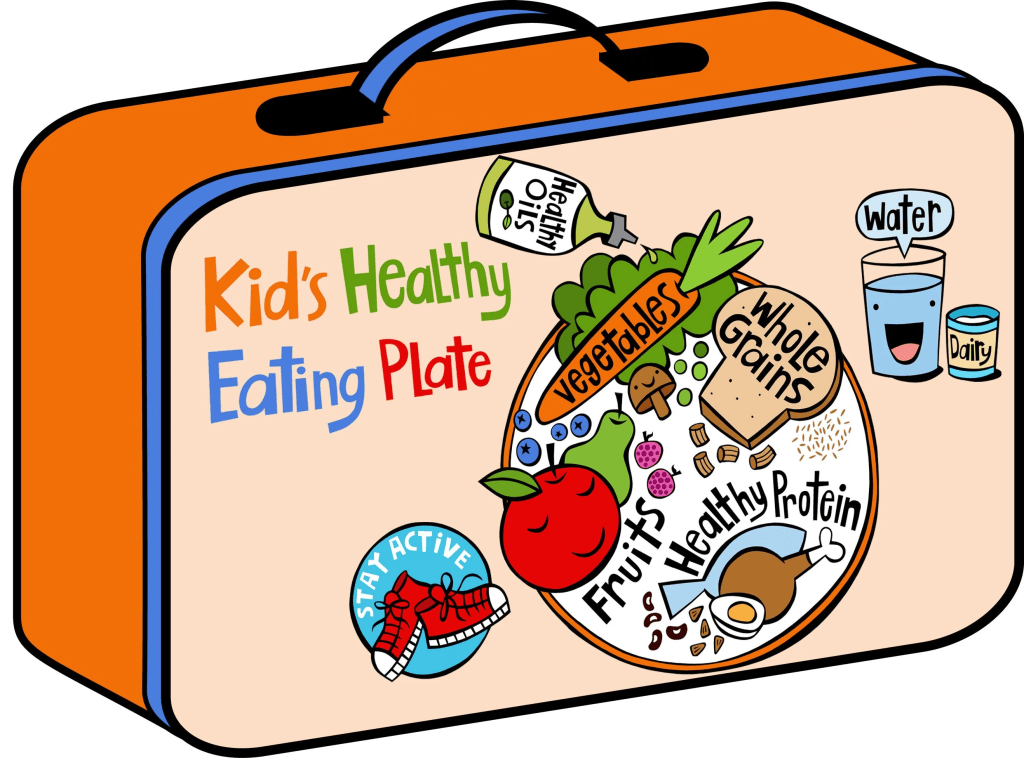
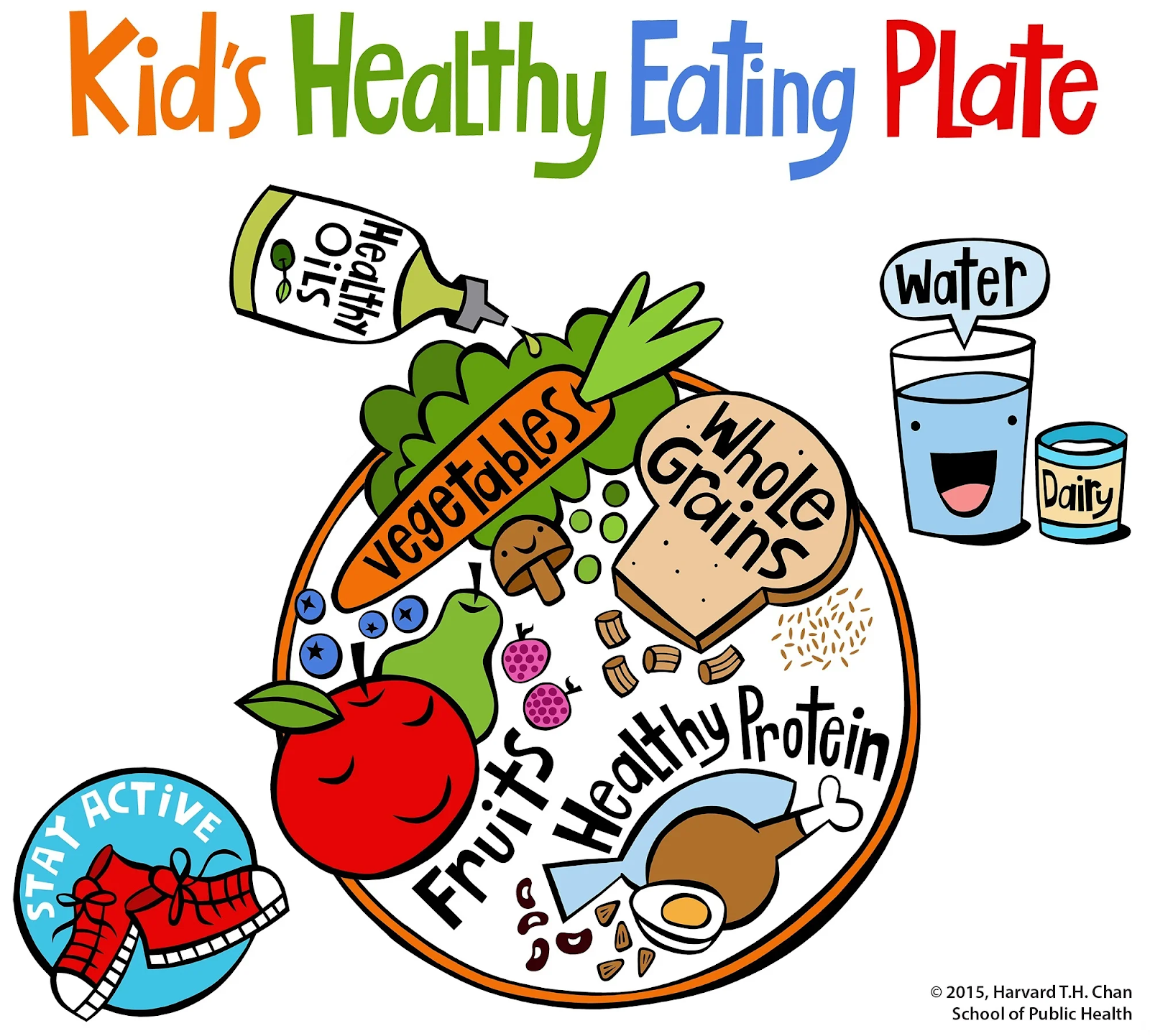
Eating a variety of foods keeps our meals interesting and flavorful. It’s also the key to a healthy and balanced diet because each food has a unique mix of nutrients—both macronutrients (carbohydrate, protein, and fat) and micronutrients (vitamins and minerals). The Kid’s Healthy Eating Plate provides a blueprint to help us make the best eating choices.
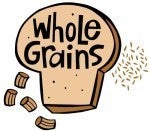
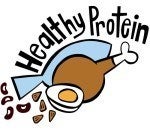
Along with filling half of our plate with colorful vegetables and fruits (and choosing them as snacks), split the other half between whole grains and healthy protein:
The more veggies – and the greater the variety – the better.
Potatoes and French fries don’t count as vegetables because of their negative impact on blood sugar.
Eat plenty of fruits of all colors.
Choose whole fruits or sliced fruits (rather than fruit juices; limit fruit juice to one small glass per day).
Go for whole grains or foods made with minimally processed whole grains. The less processed the grains, the better.
Whole grains—whole wheat, brown rice, quinoa, and foods made with them, such as whole-grain pasta and 100% whole-wheat bread—have a gentler effect on blood sugar and insulin than white rice, bread, pizza crust, pasta, and other refined grains.
Choose beans and peas, nuts, seeds, and other plant-based healthy protein options, as well as fish, eggs, and poultry.
Limit red meat (beef, pork, lamb) and avoid processed meats (bacon, deli meats, hot dogs, sausages).
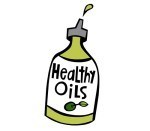
It’s also important to remember that fat is a necessary part of our diet, and what matters most is the type of fat we eat. We should regularly choose foods with healthy unsaturated fats (such as fish, nuts, seeds, and healthy oils from plants), limit foods high in saturated fat (especially red meat), and avoid unhealthy trans fats (from partially hydrogenated oils):
Use healthy oils from plants like extra virgin olive, canola, corn, sunflower, and peanut oil in cooking, on salads and vegetables, and at the table.
Limit butter to occasional use.
Dairy foods are needed in smaller amounts than other foods on our plate:
Choose unflavored milk, plain yogurt, small amounts of cheese, and other unsweetened dairy foods.
Milk and other dairy products are a convenient source of calcium and vitamin D, but the optimal intake of dairy products has yet to be determined and the research is still developing. For children, consuming little or no milk, ask a doctor about possible calcium and vitamin D supplementation.
Water should be the drink of choice with every meal and snack, as well as when we are active:
Water is the best choice for quenching our thirst. It’s also sugar-free, and as easy to find as the nearest tap.
Limit juice—which can have as much sugar as soda—to one small glass per day, and avoid sugary drinks like sodas, fruit drinks, and sports drinks, which provide a lot of calories and virtually no other nutrients. Over time, drinking sugary drinks can lead to weight gain and increase the risk of type 2 diabetes, heart disease, and other problems.
Finally, just like choosing the right foods, incorporating physical activity into our day by staying active is part of the recipe for keeping healthy:
Trade inactive “sit-time” for “fit-time.”
Children and adolescents should aim for at least one hour of physical activity per day, and they don’t need fancy equipment or a gym—The Physical Activity Guidelines for Americans suggest choosing unstructured activities for children such as playing tug-of-war, or having fun using playground equipment.
Overall, the main message is to focus on diet quality.
The type of carbohydrate in the diet is more important than the amount of carbohydrate in the diet, because some sources of carbohydrate—like vegetables (other than potatoes), fruits, whole grains, and beans—are much healthier than sugar, potatoes, and foods made from white flour.
The Kid’s Healthy Eating Plate does not include sugary drinks, sweets, and other junk foods. These are not everyday foods and should be eaten only rarely, if ever.
The Kid’s Healthy Eating Plate encourages the use of healthy oils in place of other types of fat.
Every year, on the 9th month of the Islamic lunar calendar, the Ramadan fasting is followed where food and drinks are NOT consumed between dawn to dusk for a month. This practice encourages the act of gratitude by reminding the less fortunate.
In this practice of fasting, one must not have any food, drink, or even water between sunrise and sunset. A meal is consumed before dawn which is called Suhur. This meal must be balanced to provide enough energy required for the whole day. The meal which is had after sunset is called Iftar which is the meal which breaks the fast for that day. The Iftar starts with dates and water.
Golden tips for healthy fasting:
For Suhur:
Having a high-fiber cereal like millet, brown rice, ragi, jowar, or bajra rotis for breakfast helps in the slow release of energy into the blood, which helps provide energy for a longer period to sustain fasting. This helps to avoid tiredness throughout the day.
Limiting salty foods like pickles, papads, and high salt in the meal helps in reducing the thirst.
Having fruits with the morning meal takes care of the mineral requirement and hence takes care of the electrolyte balance in the body. This helps to maintain blood pressure throughout the day.
Avoiding sugary foods and fatty foods during Suhur prevents one from getting thirsty for that day.
For Iftar:
Breaking the fast with 1 to 2 dates and a glass of milk is the right way as done traditionally, as dates provide instant energy and milk provides a sufficient amount of proteins and other nutrients the body requires immediately.
After a couple of hours of breaking the fast, it is ideal to consume the dinner. Again here the traditional Iftar is the right meal, as it contains a bowl of mixed lentil thick soup with a small cup of haleem. 1 or 2 multi-grain rotis with this can provide a balanced meal with sufficient carbohydrates, proteins, and fat.
A cup of fruits with this again provides minerals to keep the body electrolyte balance.
Avoid fried foods, sugary foods and a heavy meal during dinner, as it increases unwanted weight and also cravings.
Keep deserts in limit to keep your weight and blood sugar levels under control.
Water intake during both meals is more important to keep you hydrated throughout the day and night. Try to have a minimum 2 liters of water, 1 liter before sunrise and one more after sunset. More than 2 liters if possible is also good.
Healthy fasting is the right way to control both mind and body!
Prevent Covid Through Proper Nutrition Care-Covid Nutrition Guidelines
It is most important to build immunity and to prevent infection during these pandemic times. Following the below guidelines can help to build immunity and prevent infection and also speedy recovery post Covid.
Things to do and follow:
Use spices like Turmeric, Cumin, Coriander, Garlic while cooking.
Drink herbal tea made from Basil leaves, Cinnamon, Black pepper, Dry ginger and Black raisins once or twice a day.
Have a glass of turmeric and pepper infused milk at night before bed-time. These are anti-inflammatory and helps in building immunity.
Gargle twice a day and add a pinch of salt and turmeric powder to the water.
Prefer freshly prepared and easily digested food.
To get a relief from sore throat, take steam inhalation with fresh mint leaves and ajwain seeds.
Clove powder mixed with pure honey can be taken twice or thrice to relieve throat irritation.
Exercise regularly. This helps in releasing toxins from the body. Regular exercise helps to improve immunity.
Include fresh and whole fruits, these are rich in anti-oxidants.
Drink enough water, 8-10 cups of water.
Keep sipping warm water all through the day.
Avoid:
Avoid processed food completely, as these increases inflammation in the body and diverts your body’s immune response.
Avoid overcooking vegetables, as this causes a loss of nutrients.
Avoid fizzy drinks and fruit juices. You can also drink infused waters like unsweetened lemon juice/ ginger water. These infused drinks are anti-oxidant rich and helps to build immunity.
Avoid sugary and salty foods.
Avoid eating out, to prevent minimal contact with people.
Avoid alcohol, smoking and any addictive substance usage.
Avoid unnecessary travel.
Points to be noted to improve immunity:
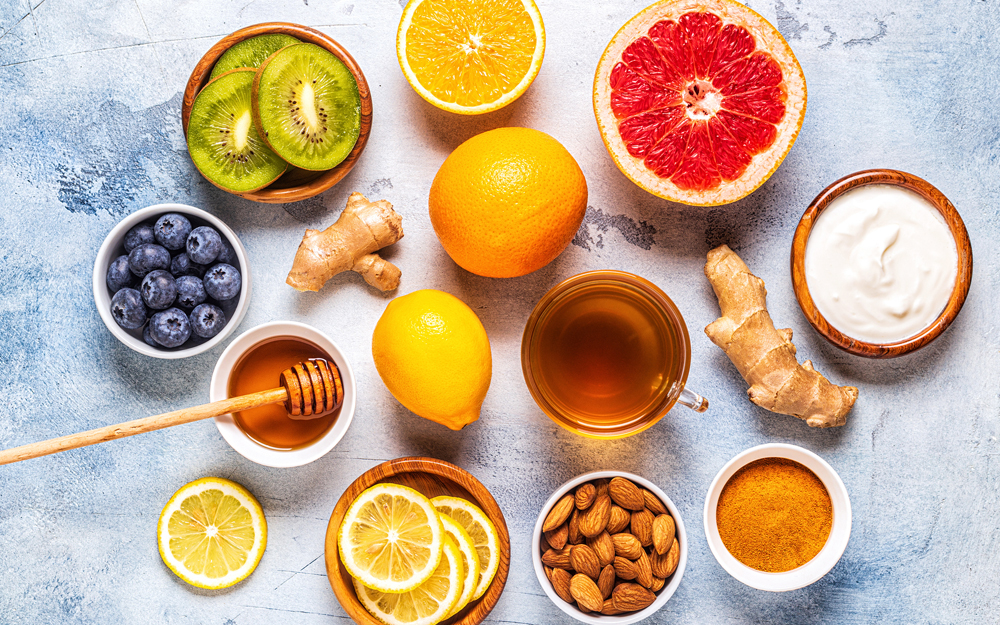
Vitamin C rich food – Vegetables like tomato, bell peppers, broccoli, Brussels sprouts and fruits like citrus fruits – lemon, orange, mosambi, guava, kiwis, strawberries, papaya etc.
Sunlight– Exposure yourself to sunlight during morning times at least for 20 mins. However, consult your doctor regarding the supplementation of vitamin D as excess intake can be toxic. Sources also include – oily fish – such as salmon, sardines, herring and mackerel, red meat, liver, egg yolks, fortified foods – such as some fat spreads and breakfast cereals.
Probiotics– Include probiotics for healthy gut health as a strong gut promotes strong immunity – yogurt/ curd, buttermilk, sometimes of cheese like cheddar, cottage cheese (paneer), mozerella etc., kefir, sauerkraut
Include anti-oxidant rich food – fresh fruits and vegetables, green tea, dark chocolate, fresh herbs like ginger, coriander, jeers seeds, green leaves etc.
Omega-3 fatty acids help to improve immunity – Fish and other seafood (especially cold-water fatty fish, like Indian salmon, mackerel, tuna, sardines), Nuts and seeds (such as flaxseed, chia seeds, and walnuts), Plant oils (such as flaxseed oil, soybean oil, and canola oil)
Vitamin A– for its anti-oxidant properties play a role in building immunity – sources include – Dairy products like milk, cheese etc., sweet potato, spinach, carrots, pumpkin, capsicum and fruits like cantaloupe.
Selenium – a mineral plays an anti-viral role. Include – lean meats; poultry; eggs; seafood; beans, peas, and lentils; nuts and seeds; and soy products. Pork, beef, turkey, chicken, fish, shellfish, and eggs.
Include Protein rich sources – Pulses and legumes, milk and its products, lean cuts of chicken, fish, eggs, nuts and seeds.
Zinc rich foods – lean meats; poultry; eggs; seafood; beans, peas, and lentils; nuts and seeds; and soy products. Oysters, red meat are good sources of zinc.
Vitamin E rich foods – Nuts and seeds like almonds, peanuts, pumpkin seeds, sunflower seeds. Oils like rice bran, safflower oil, avocadoes, spinach, pumpkin, beet greens and fish like trout.
Health conditions that you need to keep under control to prevent complications:
You need to make sure that any health conditions like diabetes, elevated lipids, hypertension (high BP) and obesity needs to be kept under control, as these are risk factors in compromising your immunity and increasing the Covid complications. Check with your doctor and dietitian immediately to manage your lifestyle and health.
Stress:
Destress yourself as stress can compromise your immunity. Practice meditation and pranayamas.
Dhanalakshmi MSc,Mphil, Founder, Care Through Nutrition
Nowadays we see lot of articles and studies related to vitamin D and Immunity. But any article without evidence is not worth. Here in this article I will be giving few research evidences on how vitamin D is related to immunity. In these evidences we could see people with low vitamin D have low immunity. They are susceptible to various bacterial and viral infections. We get abandon vitamin D from sun rather than from food. Also one more fact is that, more darker the skin, the more slower you produce vitamin D.
PRODUCTION OF VITAMIN D IN THE BODY
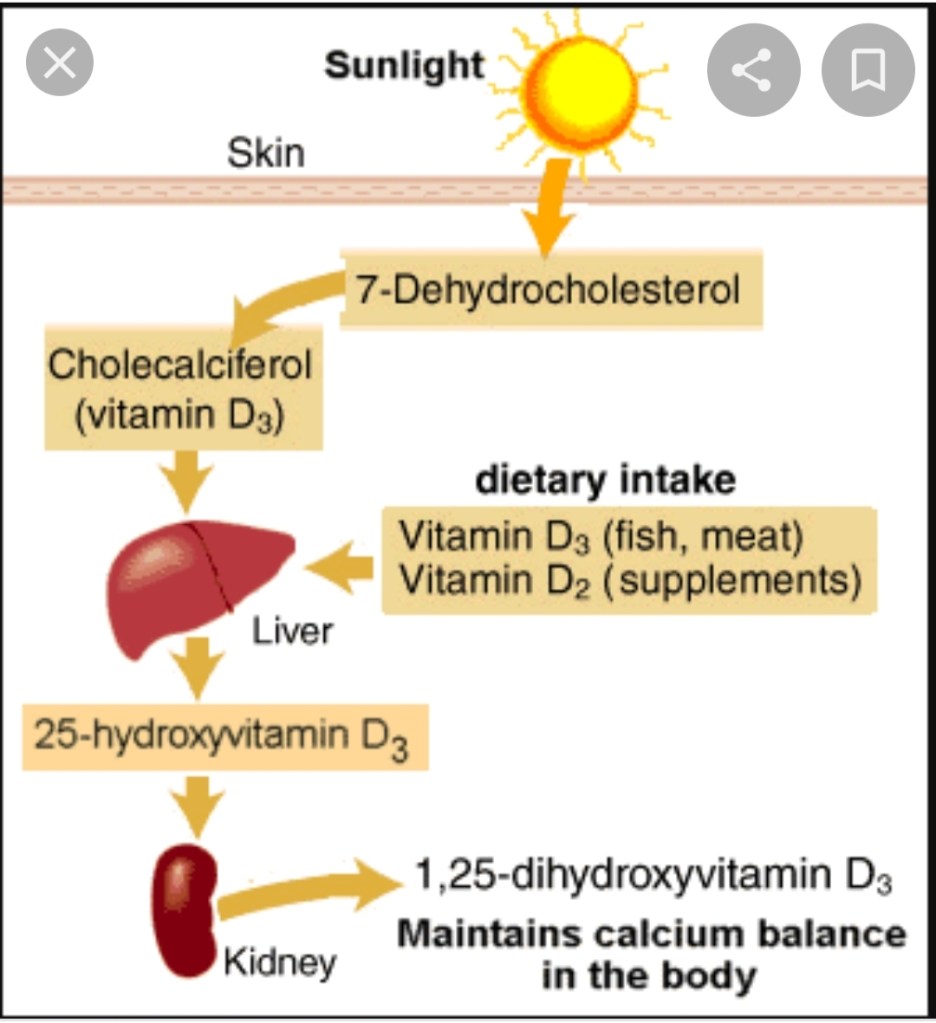
To say it in a simple way how Vitamin D is produced in our body, look at the following flowchart ,
This explains that the UV rays from the sunlight is absorbed by the skin and the dermis layer produces inactive form of vitamin D (cholecalciferol) which then goes to the liver and kidneys to produce active Vitamin D (1,25-dihydroxyvitamin D3). This active form then circulates into blood to perform its various functions like calcium absorbtion etc.
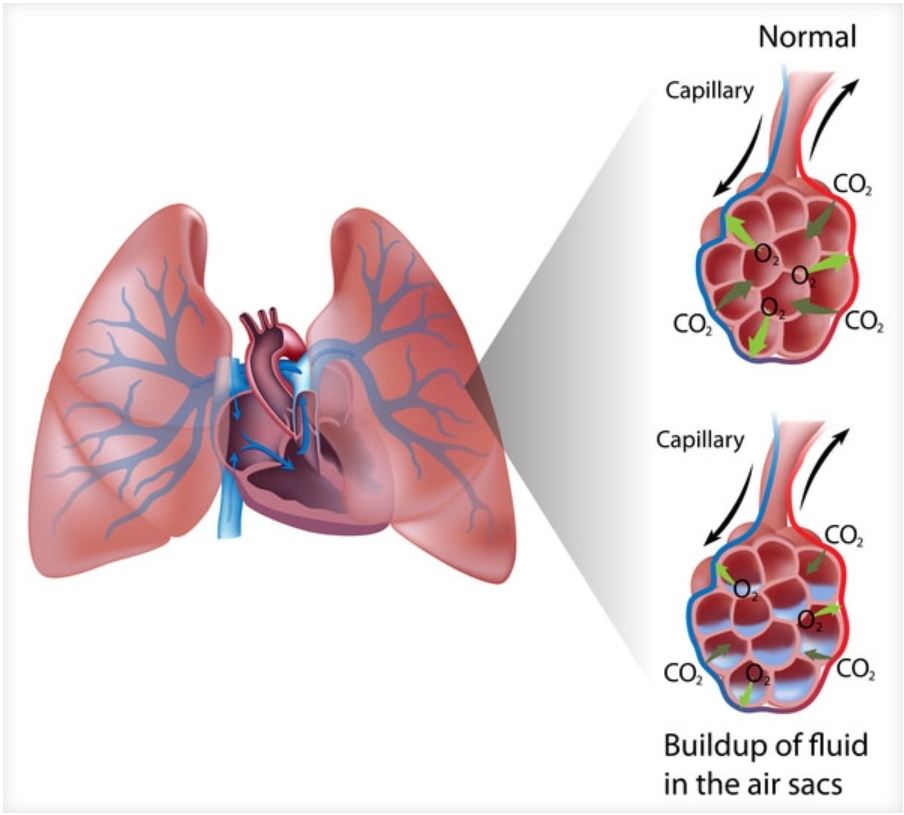
One other important function of Vitamin D is to improve immunity. For this we need to know what happens when the lungs get infected by a pathogen.
When the lung cells deduct an antigen, the immune cells respond to that by producing pro-inflammatory cytokins, which produces more fluids inside the alveoli. This fluid accumulation inside the lungs caused difficulty in gases exchange and hence make breathing difficult. This condition is called ARDS (Acute Respiratory Distress Syndrome). This happens with all lung infections including pneumonia, influenza, covid etc.,
RESEARCH EVIDENCE
More than a century ago (1849), a British physician C.J.B. Williams disribed the use of cod liver oil in treatment of tuberculosis, as cod liver oil contains rice amount of vitamin D. He showed that among his tuberculosis patients, 206 out of 234 showed a marked improvement after treatment with cod liver oil. https://www.ncbi.nlm.nih.gov/pmc/articles/PMC2543222/
Another study “Evidence that vitamin D supplementation could reduce risk of Influenza and COVID-19 infections and deaths” says that vitamin D can induce cathelicidin and defensins that can lower viral replication thereby reducing pro-inflammatory cytokins production, there by reduce inflammation. It also says that the COVID-19 outbreak occurred during winter, a time of low sunlight, hence people having low vitamin D levels. Also they say mortality rate in COVID increases with age and with chronic disease comorbidity, both of which is associated with vitamin D deficiency. https://pubmed.ncbi.nlm.nih.gov/32252338/
ABOUT INDIA
If we see in India above 70% of the population are vitamin D deficit. Vitamin D is widely got from sunlight. In food, it is present in animal source like fish, cod liver oil and very little amount in milk. In India, very rarely the milk is fortified with vitamin D. For vegetarians, its difficult to get vitamin D from food source. It would be great if the Government takes steps to fortify some of our staple foods like wheat, milk, curd, ghee ect with vitamin D.
VITAMIN DOSES
Different studies show different recommended doses. The RDA valve for vitamin D is 600 IU for younger adults and 800 IU for older adults above 70 years.
Normal serum vitamin D levels less than 20 ng/ml is considered deficit. 50-70 ng/ml is considered optimal.
So check your vitamin D levels and consult a physician for the correct dose if you are vitamin D deficit.
NOTE: Self medication is dangerous. Consult a physician before taking vitamin D supplementation.
Intermittent fasting is an eating style where you eat within a specific time period, and fast the rest of the time.Fasting isn’t a new concept. For centuries, people have temporarily restricted their food intake for religious reasons.Every religion in India has its own form of intermittent fasting, be it Ramadan for Muslims, Paryushana for Jains or Ekadasi every month and Navratri for Hindus.Time and tradition has proved the multiple benefits of fasting, be it , weight loss, detoxification or enhancing vital organ function and many more. It is not a diet plan but a complete lifestyle change.
Starting from 16 hours of fast intermittent fasting last more than 36 hours too.
It is not necessary to follow a particular method of fasting. Listen to your body, eat when you are hungry and don’t eat when you are not. That sounds so simple right? Yes and it’s that simple but the benefits are many.
HOW IT WORKS:
Glucose and fat are the body’s main sources of energy. Glucose is the most easily accessible fuel source for the body. However, if glucose is not available, the body can adjust by switching to fat metabolism, without any detrimental health effects.
Types of intermittent fasting:
1.16/ 8 method:
The 16/8 Method involves fasting every day for 14-16 hours, and restricting your daily eating window to 8-10 hours.Within the eating window, you can fit in 2 or 3 meals.Preferably have a low carb meal. It was popularized by fitness expert Martin Berkhan.
If you finish your last meal at 8 pm and then don’t eat until 12 noon the next day, then you are actually fasting for 16 hours between meals. You can drink water, black or green tea without sugar, but care should be taken with people who’s acidic levels are on the higher side and such people can avoid having caffeinated drinks on empty stomach.
2. The 5:2 method:
This involves eating normally 5 days of the week, while restricting calories to 500-600 on the rest of the two days. It was popularized by British journalist and doctor Michael Mosley.
3. Eat-Stop-Eat:
Eat-Stop-Eat involves a 24-hour fast, either once or twice per week.
For example, if you finish dinner on Monday at 7 pm, and don’t eat until dinner the next day at 7 pm, then you’ve just done a full 24-hour fast.You can also fast from breakfast to breakfast, or lunch to lunch. The end result is the same.
4. Alternate day fasting:
Alternate-Day fasting means fasting every other day and having few hundred calories not more than 500 on the day of fasting.A full fast every other day seems rather extreme, so I do not recommend this for beginners.With this method, you will be going to bed very hungry several times per week, which is not very pleasant and probably unsustainable in the long-term.
5. The warrior diet:
Basically you fast for the whole day and feast at the night within a four hour eating window. It involves eating small amounts of raw fruits and vegetables during the day.
6. Spontaneous meal skipping:
Another more natural way to do intermittent fasting is to simply skip 1 or 2 meals when you don’t feel hungry that’s just like listening to your body.
There are a lot of people getting great results with some of these methods.
BENEFITS OF INTERMITTENT FASTING:
CHANGES IN THE HORMONES
Insulin levels: Blood levels of insulin drop significantly, which facilitates fat burning.
Human growth hormone: The blood levels of growth hormone may increase as much as 5-fold. Higher levels of this hormone facilitate fat burning and muscle gain, and other benefits.
Cellular repair: The body induces important cellular repair processes, such as removing waste material from cells.
2. HELPS YOU LOSE WEIGHT AND BELLY FAT
Intermittent fasting works on both sides of the calorie equation. It boosts your metabolic rate (increases calories out) and reduces the amount of food you eat (reduces calories in).Lower insulin levels, higher growth hormone levels and increased amounts of norepinephrine (noradrenaline) all increase the breakdown of body fat and facilitate its use for energy.
3. REDUCE INSULIN RESISTANCE AND LOWERS THE RISK OF TYPE 2 DIABETES.
Intermittent fasting has been shown to have major benefits for insulin resistance and lead to an impressive reduction in blood sugar levels .In human studies on intermittent fasting, fasting blood sugar has been reduced by 3-6%, while fasting insulin has been reduced by 20-31% 1).
4. REDUCES OXIDATIVE STRESS AND INFLAMMATION IN THE BODY
Several studies show that intermittent fasting may enhance the body’s resistance to oxidative stress (2). Additionally, studies show that intermittent fasting can help fight inflammation, another key driver of all sorts of common diseases (3).
5. BENEFICIAL FOR HEART HEALTH
Intermittent fasting has been shown to improve numerous different risk factors, including blood pressure, total and LDL cholesterol, blood triglycerides, inflammatory markers and blood sugar levels ( 4, 5).
6. INDUCES CELLULAR REPAIR PROCESS
When we fast, the cells in the body initiate a cellular “waste removal” process called autophagy. This involves the cells breaking down and metabolizing broken and dysfunctional proteins that build up inside cells over time. Increased autophagy may provide protection against several diseases, including cancer and Alzheimer’s disease.
7. REDUCES THE RISK OF CANCER
Fasting has been shown to have several beneficial effects on metabolism that may lead to reduced risk of cancer.
Although human studies are needed, evidence from animal studies indicates that intermittent fasting may help prevent cancer (6).
There is also some evidence on human cancer patients, showing that fasting reduced various side effects of chemotherapy
Who should NOT fast?
You should not do intermittent fasting if you are:
Underweight (BMI < 18.5) or have an eating disorder like anorexia.
Pregnant – you need extra nutrients for your child.
Breastfeeding – you need extra nutrients for your child.
A child under 18 – you need extra nutrients to grow.
You can probably fast, but may need medical supervision, under these conditions:
If you have diabetes mellitus – type 1 or type 2
If you take prescription medication.
If you have gout or high uric acid.
If you have any serious medical conditions, such as liver disease, kidney disease, or heart disease.
When it comes to healthy body, it is not the time of day that makes the difference — it’s what you are consuming. And most people tend to veg out on high-calorie foods while unwinding in front of the TV after a long, stressful day.
“Typically, people who are eating heavy at night have probably had a stressful day, and end up eating whatever available mostly high calorie foods. “And most of the time this eating is associated with other activity like watching TV and playing on the computer, which leads to mindless eating and, typically, over consumption.”
Our metabolism is a complex process. You might think that your metabolism slows down drastically at the end of the day and, therefore, your body does not burn off the calories you consume at night. But in fact, even though your metabolism is slower at night when you are stationary than when you are active, your metabolism never stops working, even when you are sleeping. Calories consumed at night won’t change your metabolism or count more than calories consumed during the day.
Weight gain and weight loss comes down to a simple math equation, “Too many calories taken in versus not enough expended on any given day, regardless of the time, will lead to weight gain.”
Care Through Nutrition recommends you to eat dinner at least three to four hours before going to bed to give your body time to digest the meal. And dinner should be your smallest meal of the day.
“Most people typically have the biggest meal in the evening and the smallest meal for breakfast — I recommend the opposite,” Usually people who eat a larger breakfast and lunch full of protein, fruit, vegetables and whole grains will not be as tempted to indulge in a high-fat, high-calorie dinner.
Instead of eating three larger meals, eating four or five smaller meals during the day can help you maintain a healthy weight. Other healthy tips and considerations include:
Don’t go hungry – Waiting too long to eat could lead to consuminglarger portion sizes. Make sure to have healthy snacks prepared for the day.
Dodge the quick fixes – After a long day of work, a fast food burger is tempting. Have a quick, healthy meal ready to go such as steamed vegetables and broiled fish or chicken.
Stay focused on health – Consistent periods of going without food followed by a large meal can make you susceptible to Type 2 diabetes. Focus on staying healthy, rather than being skinny.
Checkout what you should have on your dinner plate.
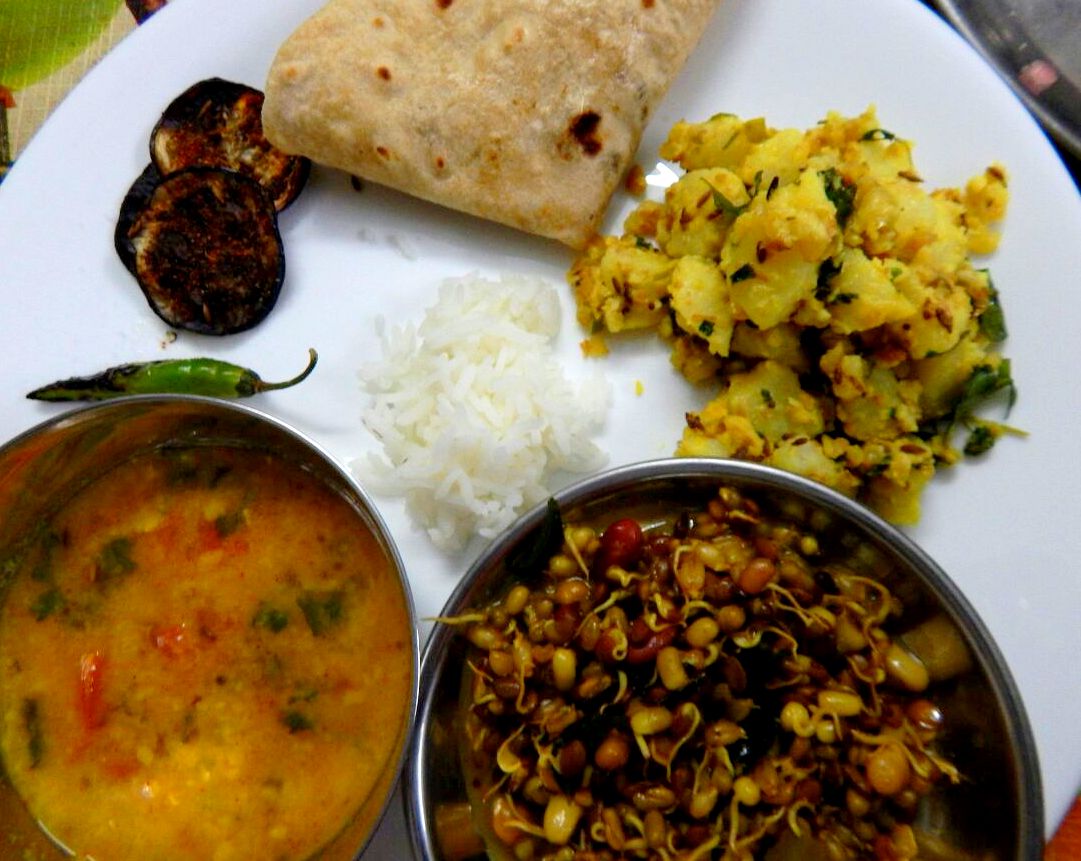
High protein dinner – Low carb but high protein for people who workout a lot and want to add more muscle mass. Massor dhal soup, beans or sprout salad and tofu or chicken curry with 2 whole grain rotis with a glass of buttermilk or low fat milk.
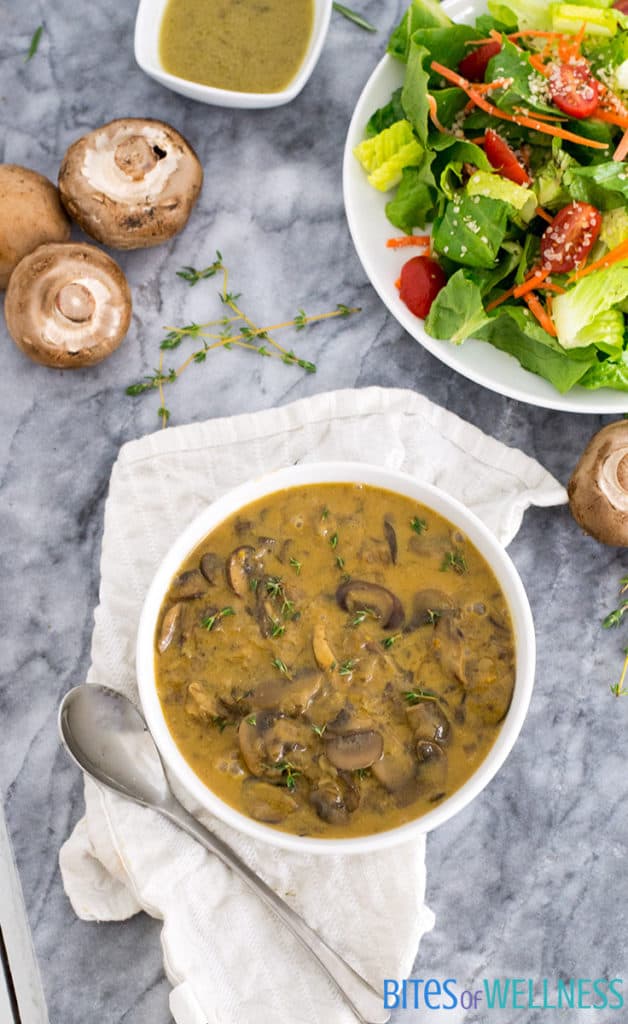
Weight watchers dinner – When you want to keep a check on your weight Mushroom soup and mixed vegetable salad with a glass of buttermilk.
High fiber dinner- When you want meals with high satiety.
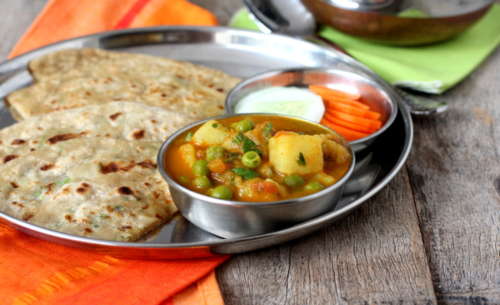
Cucumber, onion, carrot salad with brown rice or multigrain rotis with vegetable sabzi.
Late night dinner – When work hours are beyond normal bed time.
Cheese and lettuce sandwiches and fruit smoothies.
Healthy – Grills
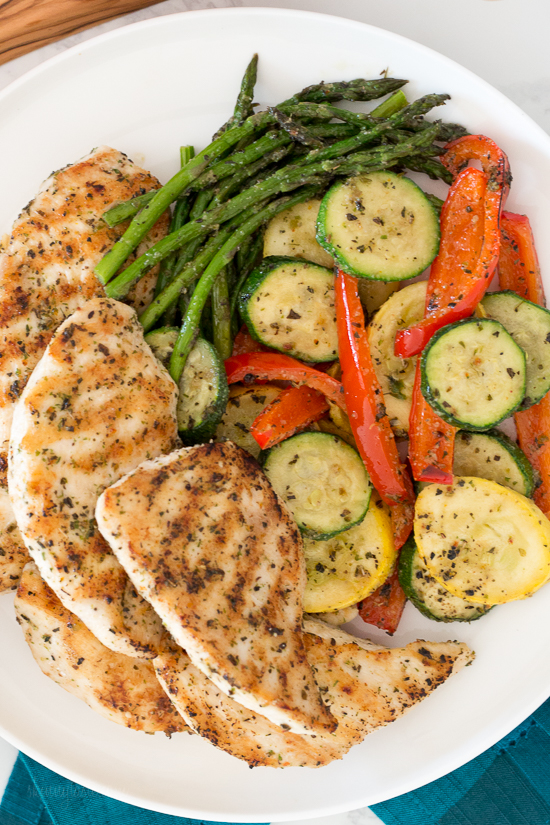
Barbequed -Grilled veggies, grilled Tofu or grilled chicken/ fish with lettuce carrot salad.
Quick dinner – When a person is tired and wants an easy meal to prepare in less time.
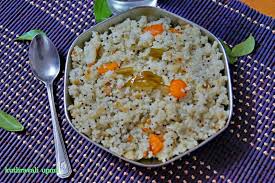
Millets upma with cucumber salad.
Happy Family Dinner
A full course meal with soup or salad, roti with veg curry, dal or fish or chicken curry with curd. and before bed with a cup of cut fruits to make a complete balanced meal.
Healthy meal on the go
whole wheat roll- Chicken tikka or mix veg tikka roll
Dinner – Vegan style
Millet upma with vegetable soup
Keto Dinner
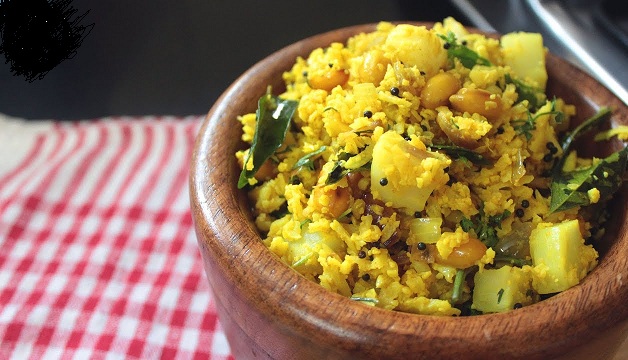
Keto poha- Grated cauliflower in place of poha, seasoned with mustard, peanuts and other vegetables as needed.
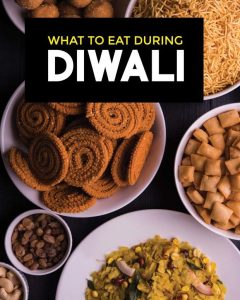
For people who are conscious about their diet and working too very hard to maintain weight or lose weight are the ones who will feel most guilty this DIWALI week. So Eat healthy this Diwali. How? I will tell you.
Diwali is festival of celebration. There are sweets, snacks drinks all around you. So if you are a dieter then it is very difficult for you to control yourself when people from all rounds are pressuring you to taste their special dishes and enjoy the festival feast.
But do you think that you should be really guilty about it? I don’t think so you should be. If you are not at any end stage of disease where your diet will decide your life or death you should not be afraid of any celebrations.
when you know that your ultimate calorie intake of the day is going high so it becomes very important that also you increase your activity levels to burn of those extra calories. Then this will help you to balance your fitness.
So enjoy festival with mindful eating. Do not eat anything and everything being served to you. Choose foods which you like the most and eat consciously with measured amount.
Here are ways which keep you guilt free eating this Diwali festival.
Keep a habit of chewing a gum when you feel there is too much food around you and you really don’t want to eat.
Keep habit of drinking water before your feel or crave to eat anything junky.
If you at someone’s home and you are forced to eat, try and select some snacks rather than sweets. So you have to choose less bad food from bad ones. Refined Carbs (sugar) is more harmful than eating some fried food. But ultimately both are unhealthy. Eat very small portion and do not fill up your stomach with Diwali snacks and sweets as I know they are very tempting and appearance and taste. So as thumb rule just have some
If you have already had heavy meal or snacks be very careful of what you are eating in next meal and try to walk up a little more than usually. Keep your rest meals very light
Try to eat fruits in meals when you feel that you are going to snack unhealthy.
If you eat and you are guilty then only one thing you can do is burn that off. Go for exercise, run, swimming, gym etc. Come over your laziness and do your workout.
Avoid sweets with silver coating. They are poisonous. They are unhygienic and toxic
Even when you gift sweets to others, prefer giving chocolates, laddus, dry fruits rather than giving away milk based ones like barfi and pedha. They cause the maximum number of food poisoning cases due to bacterial overgrowth.
Eat some ultra-healthy foods to combat from the unhealthy ones. Choose to eat oats, quinoa, milltes, whole grains, fresh fruits and veggies, no oil salads.
Going on no sugar diet may be for a day and no fat diet on the other day. Also you can go for fruit duet for a day to detox yourself.
There are many cases of diarrhea and abdominal cramps and vomiting. As there is mass production of food items. Preventive care is the best. If you face any such problem try to rehydrate yourself with plenty of water, ORS, coconut water or lemon water. This will definitely work. If in case its very sever visit your physician
Also sleep well. Do not compromise on sleep as that will further create more stress to your body which can be harmful
No Alcohol. As this will be a add on poison.
So festivals are definitely to enjoy but when it is bothering your fitness, you have to be extremely careful of how to balance it.














 By
By 








 CARE THROUGH NUTRITION