 By Dhanalakshmi
Diet consultant| Founder Care Through Nutrition
When it comes to healthy body, it is not the time of day that makes the difference — it’s what you are consuming. And most people tend to veg out on high-calorie foods while unwinding in front of the TV after a long, stressful day.
“Typically, people who are eating heavy at night have probably had a stressful day, and end up eating whatever available mostly high calorie foods. “And most of the time this eating is associated with other activity like watching TV and playing on the computer, which leads to mindless eating and, typically, over consumption.”
Our metabolism is a complex process. You might think that your metabolism slows down drastically at the end of the day and, therefore, your body does not burn off the calories you consume at night. But in fact, even though your metabolism is slower at night when you are stationary than when you are active, your metabolism never stops working, even when you are sleeping. Calories consumed at night won’t change your metabolism or count more than calories consumed during the day.
Weight gain and weight loss comes down to a simple math equation, “Too many calories taken in versus not enough expended on any given day, regardless of the time, will lead to weight gain.”
Care Through Nutrition recommends you to eat dinner at least three to four hours before going to bed to give your body time to digest the meal. And dinner should be your smallest meal of the day.
“Most people typically have the biggest meal in the evening and the smallest meal for breakfast — I recommend the opposite,” Usually people who eat a larger breakfast and lunch full of protein, fruit, vegetables and whole grains will not be as tempted to indulge in a high-fat, high-calorie dinner.
Instead of eating three larger meals, eating four or five smaller meals during the day can help you maintain a healthy weight. Other healthy tips and considerations include:
- Don’t go hungry – Waiting too long to eat could lead to consuming larger portion sizes. Make sure to have healthy snacks prepared for the day.
- Dodge the quick fixes – After a long day of work, a fast food burger is tempting. Have a quick, healthy meal ready to go such as steamed vegetables and broiled fish or chicken.
- Stay focused on health – Consistent periods of going without food followed by a large meal can make you susceptible to Type 2 diabetes. Focus on staying healthy, rather than being skinny.
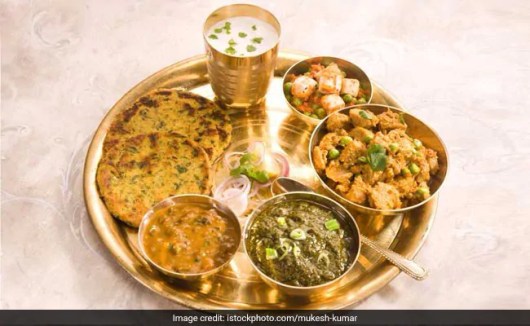
Checkout what you should have on your dinner plate.
High protein dinner – Low carb but high protein for people who workout a lot and want to add more muscle mass.
Massor dhal soup, beans or sprout salad and tofu or chicken curry with 2 whole grain rotis with a glass of buttermilk or low fat milk.


Weight watchers dinner – When you want to keep a check on your weight
Mushroom soup and mixed vegetable salad with a glass of buttermilk.

High fiber dinner- When you want meals with high satiety.
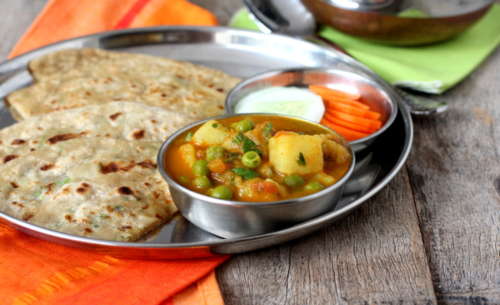
Cucumber, onion, carrot salad with brown rice or multigrain rotis with vegetable sabzi.
Late night dinner – When work hours are beyond normal bed time.
Cheese and lettuce sandwiches and fruit smoothies.

Healthy – Grills
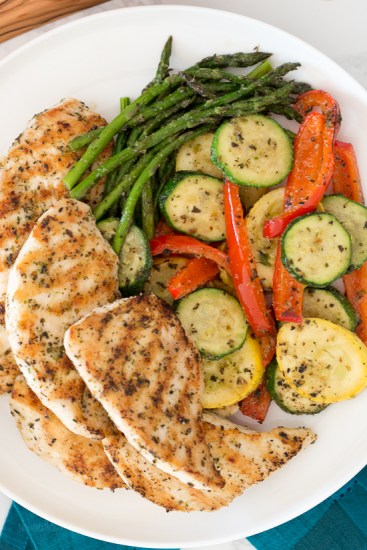
Barbequed -Grilled veggies, grilled Tofu or grilled chicken/ fish with lettuce carrot salad.
Quick dinner – When a person is tired and wants an easy meal to prepare in less time.
Millets upma with cucumber salad.
Happy Family Dinner
A full course meal with soup or salad, roti with veg curry, dal or fish or chicken curry with curd. and before bed with a cup of cut fruits to make a complete balanced meal.
Healthy meal on the go
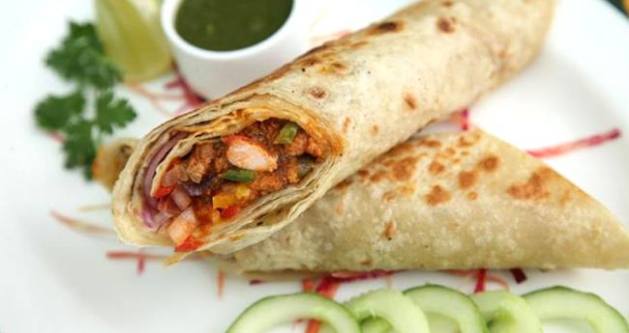
whole wheat roll- Chicken tikka or mix veg tikka roll
Dinner – Vegan style
Millet upma with vegetable soup


Keto Dinner
Keto poha- Grated cauliflower in place of poha, seasoned with mustard, peanuts and other vegetables as needed.

For more recipes and dinner ideas contact me and follow Care Through Nutrition website and facebook
 CARE THROUGH NUTRITION