Living with diabetes requires mindful eating and a well-balanced diet to manage blood sugar levels effectively. A diabetic diet doesn’t mean deprivation; rather, it’s about making healthier food choices that can help control blood glucose, maintain a healthy weight, and reduce the risk of complications. Here’s a simple guide to get you started on a healthy diabetic diet:
1. Understand Carbohydrates
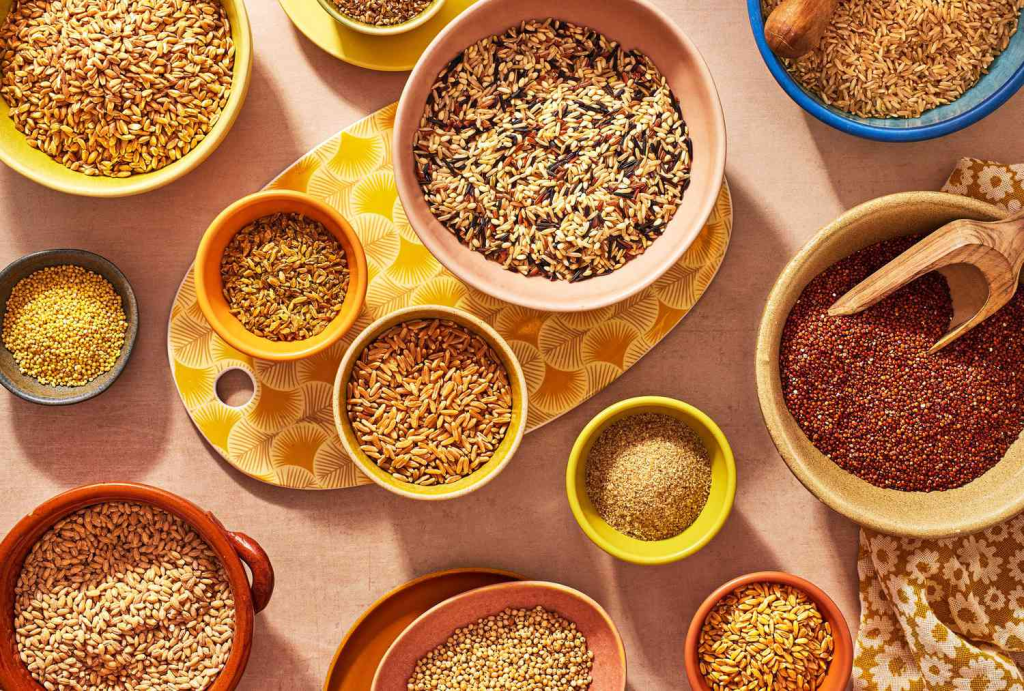
Carbohydrates have the most significant impact on blood sugar levels. Focus on complex carbohydrates that are high in fiber and have a lower glycemic index. These include:
- Whole grains (brown rice, quinoa, whole wheat)
- Vegetables (leafy greens, broccoli, cauliflower)
- Legumes (beans, lentils)
- Fruits (berries, apples, pears)
2. Choose Healthy Fats

Healthy fats are essential for heart health and overall well-being. Opt for:
- Monounsaturated fats (olive oil, avocados, nuts)
- Polyunsaturated fats (fatty fish like salmon, walnuts, flaxseeds)
- Avoid trans fats and limit saturated fats found in fried foods, processed snacks, and fatty cuts of meat.
3. Prioritize Protein
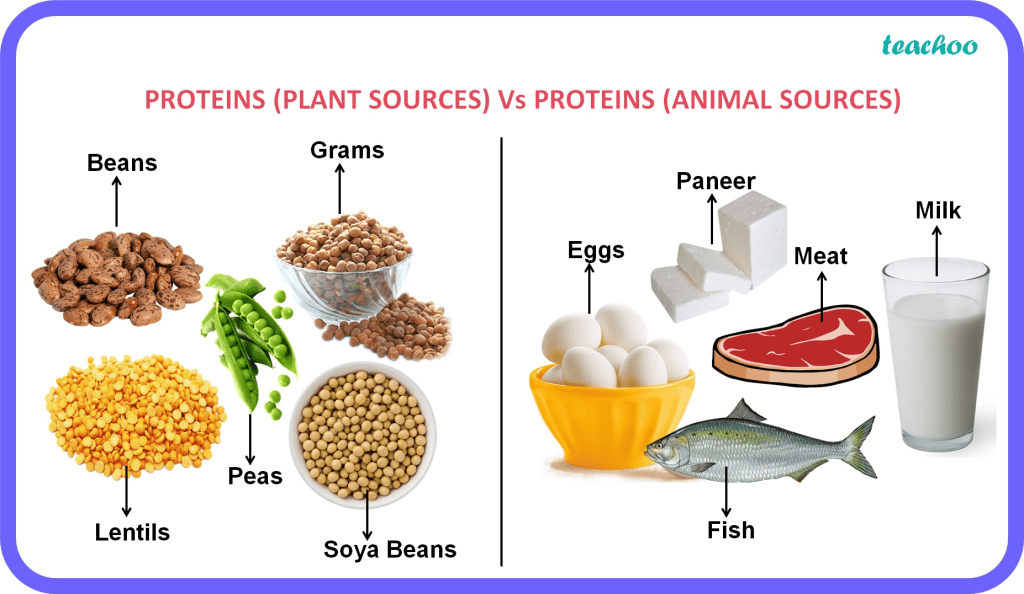
Proteins help in maintaining muscle mass and keeping you full. Include a variety of protein sources such as:
- Lean meats (chicken, turkey)
- Fish and seafood
- Plant-based proteins (tofu, tempeh, legumes)
- Dairy products (Greek yogurt, low-fat cheese)
4. Monitor Portions

Portion control is crucial in a diabetic diet. Eating smaller, more frequent meals can help maintain stable blood sugar levels. Use tools like measuring cups or a food scale to keep portions in check.
5. Stay Hydrated

Water is essential for all bodily functions, including maintaining proper blood sugar levels. Aim to drink at least 8 glasses of water a day. Limit sugary drinks and opt for water, herbal teas, or sparkling water.
6. Plan Your Meals
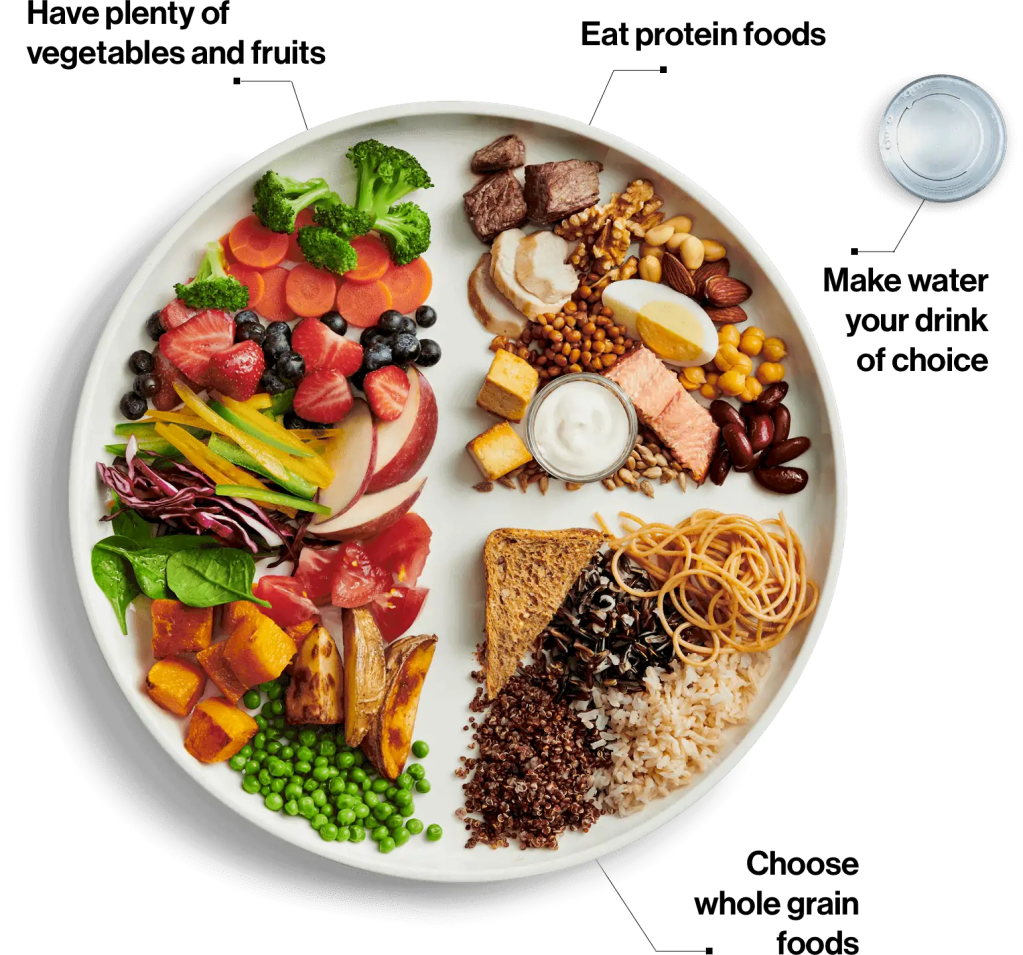
Planning meals ahead of time can help you make healthier choices and avoid last-minute unhealthy options. Include a balance of carbohydrates, proteins, and fats in each meal, and keep healthy snacks like nuts, seeds, or fruits handy.
7. Monitor Your Blood Sugar Levels

Regular monitoring of blood sugar levels helps you understand how different foods affect you. Keep a log of your readings and food intake to identify patterns and make necessary adjustments.
Sample Meal Plan for a Day
Breakfast:
- Oatmeal topped with fresh berries and a sprinkle of chia seeds
- A cup of green tea
Snack:
- A handful of almonds
Lunch:
- Grilled chicken salad with mixed greens, cherry tomatoes, cucumber, and a vinaigrette dressing
- A small apple
Snack:
- Carrot sticks with hummus
Dinner:
- Baked salmon with quinoa and steamed broccoli
- Mixed green salad with olive oil and lemon dressing
Snack:
- Greek yogurt with a few sliced strawberries
Conclusion
A diabetic diet doesn’t have to be complicated or restrictive. By making mindful choices and focusing on whole, nutrient-dense foods, you can manage your diabetes effectively and lead a healthier life. Remember, it’s always beneficial to work with a registered dietitian or a nutritionist to tailor a plan that fits your individual needs and preferences.
For more personalized guidance and support, consider joining our Diabetic Management Program at Care Through Nutrition. We’re here to help you navigate your journey to better health with expert advice and personalized diet plans.
Contact Us:
- 📞 Call or WhatsApp: 6363913039
Start your journey to better health today!
 CARE THROUGH NUTRITION
Great!
LikeLiked by 1 person