Black Rice- Lets Bring Back the Nutrition Packed Old Treasure

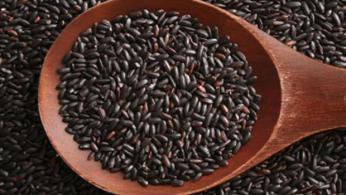
Black rice (also known as purple rice) is a range of rice types of the species Oryza sativa L., They are rare and a very old variety of rice which has been grown in India for centuries. It is mainly grown in the North east and the southern parts of India.

Other names

Varieties include,

  • Indonesian black rice
  • Thai jasmine black rice
  • Chak-haoin Manipur
  • Karupu kavuni in Tamil nadu. Even today, there is no royal family Chettinad wedding without a dessert with Kavuni Arisi.
  • The forbidden rice by Chinese

This black rice or so-called ‘the forbidden rice’ by Chinese is one such ancient variety that became a part of cuisine in olden days.

Olden day usage of the rice

Black Rice was once served only for royal family in china. General public was denied access to this rice, probably merchants were always friends with royal families that’s how they got their hand with this rice varities. During the days of the Ching and Ming dynasties Forbidden Rice was exclusively reserved for the Chinese Emperors to ensure their longevity and good health. Eventually, common people were allowed to eat the rice. Since then, it has become a nourishing staple that is reputed to promote long life and good health.
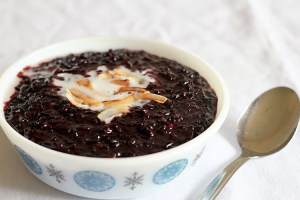
 

In ancient days, when a girl attends puberty, they used to make black rice pudding (called as puttu also known as Rangoon puttu). This is because this will help her stabilizes her body and increase the iron in blood and stops accumulating fat in back and hip region, a place women add more fat. Over a period of time, we forgot the black rice and we only followed the ritual and pudding part. Even today, in some part of villages, when a girl is getting ready to be married, they used to give black rice based food to rebuild her into proper shape.

Nutrition value

Black rice has 18 amino acids, zinc that counts for immunity, iron that counts for carrying oxygen and the list goes like, copper, carotene, anthocyanin and several important vitamins.

A one-half cup serving of cooked black rice, or about ¼ cup uncooked, contains approximately (in daily recommended values):

  • 160 calories
  • 1.5 grams of fat
  • 34 grams of carbohydrates
  • 2 grams of fiber
  • 5 grams of protein
  • 4% DV for iron

Wondering how black rice compares to other rice varieties? Here’s how the different types of rice differ in terms of nutrient content when we compare an 100gm serving of each kind:

  • Polished white rice – contains 6.8 protein, 1.2 iron, 0.6 fiber.
  • Brown rice: 7.9 protein, 2.2 iron, and 2.8 fiber.
  • Red rice: 7.0 protein, 5.5 iron, and 2.0 fiber.
  • Black rice: 8.5 protein, 3.5 iron, 4.9 fiber, and the highest amount of antioxidants of any rice variety.

You can see that black rice contains the highest amount of antioxidants, protein and dietary fiber of all rices varieties; plus black rice is also a good source of iron which can be hard to get for plant based eaters who rely on grains and legumes for protein.

Rich In Antioxidants.

 AMERICAN CHEMICAL SOCIETY (ACS) SAYS, ONE SPOONFUL OF BLACK RICE CONTAINS MORE ANTHOCYANIN ANTIOXIDANTS THAN A SPOONFUL OF BLUEBERRIES.

Black rice is a source of iron, vitamin E and antioxidants (more than in blueberries). The bran hull (outermost layer) of black rice contains one of the highest levels of anthocyanin found in food. The grain has a similar amount of fiber to brown rice and, like brown rice, has a mild, nutty taste.

The Anthocyanin content found in black rice is way more than most grains and this is what makes this grain stand out in comparison to other super foods like quinoa, red rice, etc. Studies have shown that the Anthocyanin antioxidants in grains helps the body to protect against heart diseases, cancer and many more.

Rich In Fiber

Black rice is loaded with fiber and minerals. A typical bowl of 100gms of black rice serving has over 4.9 grams of fiber. This is double the amount of fiber available in brown rice.

So, if you are looking to include something fiber rich in your diet then it is better to start consuming Black Rice than any other varieties of rice.

 Anti-inflammatory Properties

Black rice is a naturally healing food. Research has shown Black rice to reduce inflammatory compounds in your body and increase the anti-inflammatory compounds.

This increase in the anti-inflammatory compounds help in reducing inflammation in various diseases like cancer, arthritis and allergies.

A Natural Detoxifying Agent For Your Body

Black rice a rich and natural detoxifying agent. Studies have shown that the phyto-nutrients in black rice help detoxify your body and remove harmful toxins from your liver. The rice is good for live function as it helps remove toxins from the liver and detoxifies it.

A Gluten Free Grain

Black rice is a gluten-free grain. For those with gluten allergies and Celiac disease, it is a good alternative.

Helps Fight Diabetes

The Black Rice bran contains fiber, which in turn helps glucose to be absorbed by your body over a longer period of time.

Research has proven that eating whole grains like Black Rice helps your body lower the risk of type 2 diabetes and also keeps your weight in check in addition to boosting your energy levels.

So if you are diabetic then you should consider substituting Black Rice to white rice in your daily diet as it way better and helps fight diabetes.

Your Weight Loss Partner

Because of its rich fiber content, black rice satiates the appetite and makes you feel fuller for a longer time. When considered with other rice varieties, consuming just one-third of black rice gets you the necessary nutrients and fills the hunger cravings. Thus, it aids weight-loss as well. . In addition researchers have found out that whole grains like Black Rice help prevent insulin resistance in your body which leads to and is related to risk of becoming over-weight/obese.

Promotes Healthy Heart

A healing food like Black Rice has been shown to reduce the atherosclerotic plaque formation in the arteries which is the main reason for a heart attack and stroke.

In addition to this Black Rice also helps to reduce the 2 common factors in heart disease, namely LDL, triacylglycerol and total cholesterol.

In ancient days, when a girl attends puberty, they used to make black rice pudding (called as puttu also known as Rangoon puttu). This is because this will help her stabilizes her body and increase the iron in blood and stops accumulating fat in back and hip region, a place women add more fat. Over a period of time, we forgot the black rice and we only followed the ritual and pudding part. Even today, in some part of villages, when a girl is getting ready to be married, they used to give black rice based food to rebuild her into proper shape.

Cooking tips for Black rice
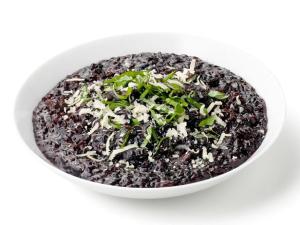
Black rice has a deep black color and usually turns deep purple when cooked. Its dark purple color is primarily due to its anthocyanin content, which is higher by weight than that of other colored grains. It is suitable for making porridge, dessert, traditional Chinese black rice cake, bread, and noodles.

Because it is unrefined and denser than white rice, black rice takes longer to cook. The best results can be achieved by first soaking your black rice for at least one hour before cooking it, but preferably for several hours.
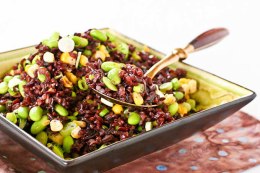
It makes a delicious side dish all on its own with some salt and pepper, but can also be added to stir fries, soups and stews, or sprinkled on top of a salad. Add cooked black rice to homemade veggie burgers, in burritos instead of white rice, or served with fresh roasted vegetables and your favorite source of protein.

Some people even chose to grind the dry rice kernels in a coffee grinder or food processor and then use the ground rice to bake with, coat fish with, or just to sprinkle over other foods for an extra antioxidant boost.
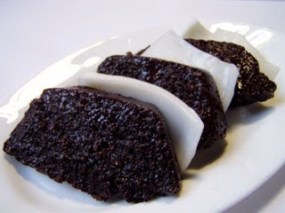
Black rice has been used in traditional Chinese desserts and snacks to make a dessert porridge, black rice cakes or breads, noodles, and more. So as you can see, there are plenty of options for adding some to your diet.

Another interesting application for black rice is to use it as a natural food coloring agent. Currently some small manufacturers add black rice either ground or in extract form to beverages and foods in order to avoid using artificial dyes and ingredients which can be harmful in numerous ways.

Here are some links which would help you for black rice recipes

http://elvisalakshi.blogspot.in/2013/03/kavuni-arisi.html
http://kitchenrhapsody.blogspot.in/2012/03/kavuni-arisiblack-sticky-rice-and.html
http://ranistreat.blogspot.in/2013/08/kavuni-arisi-sweet-pongal-black-rice.html
http://www.cheftamil.com/inippu-kavuni-arisi-in-tamil-sweet-wild-rice-recipe-tips-to-cook-wild-rice_3b7a9be40.html
http://chettinadrecipesblog.blogspot.in/2013/07/kavuni-arisi-chettinad-special-sweet.html
http://delightsofcooking.blogspot.in/2008/09/kavuni-arisi-payasam.html

HEALTH BENEFITS OF MILLETS

HEALTH BENEFITS OF MILLETSImage result for millets crop

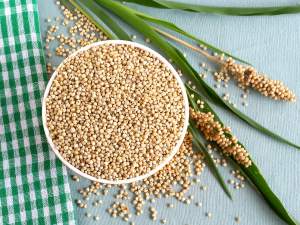
Millets are a group of small seed grasses grown in semi-dry areas of Asia and Africa. Millets have been widely cultivated as cereal crops or as fodder for animals. Because millets have short growing season, can withstand dry and high-temperature conditions yet yield well, they are popularly grown in the developing nations. In the developed nations, millets have been relegated to be used as bird feed.

However, millets in India are enjoying rising popularity due to a variety of health benefits of millets. They are gluten free grains and hence it can be consumed by everyone. 

Types of Millets in India

Millets in India enjoy prime importance that is because India is one of the biggest producers clocking 8 million tonnes every year followed by Africa and China.

1.Sorghum (Jowar)

Compared to rice and wheat, jowar has a high proportion of calcium. It also packs in a neat iron, protein, and fiber punch. Researchers have found that a typical sorghum wax is rich in policosanols which helps in reducing the levels of cholesterol. Being a gluten-free grain, it is also much preferred by those who can’t tolerate wheat-based products.

2.Foxtail millet

Image result for foxtail millet imagesImage result for foxtail millet images

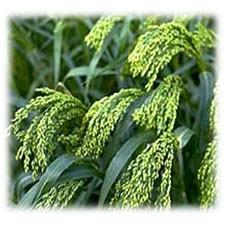
Foxtail millets are available in the form of rice, semolina (like rava) or as flour. As with other millets, foxtail millet is rich in smart carbohydrates, the kind which doesn’t increase the blood sugar levels immediately. It is rich in dietary fibre, and minerals like iron and copper. Due to this, it helps to reduce the levels of bad cholesterol and keeps the immune system strong.

3.Finger millet (ragi)

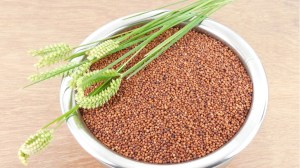
Ragi is a powerhouse of health benefiting nutrients that help in reducing weight and also acts as a treatment for multiple diseases like Brittle Bones, Osteoporosis, Anaemia and Diabetes. It is a natural relaxant that helps in relieving stress and anxiety. It is one such rare cereal that doesn’t need to be polished and, therefore, can be consumed in its purest form with all its goodness intact. A special amino acid, Tryptophan present in Ragi helps in curbing appetite. The high amount of dietary fiber combines with water and keeps the stomach fuller for a longer period of time. It is low in unsaturated fats that make it the ideal cereal for those looking to lose weight.

It is loaded with calcium and vitamin D that makes it a vital component for increasing bone strength. It helps development of bones in children, maintains bone health and prevents bone erosion in adults. It also works as an effective food to avert Osteoporosis.

The important amino acids present in Ragi are Valine, Threonine, Isoleucine, Methionine and Tryptophan that help in muscle functioning, maintaining metabolism, blood formation, fighting anxiety and depression and also promotes the release of growth hormones.

Ragi sprouts is one of the healthiest sprouts to eat to load up on Iron that helps in increasing blood formation in persons suffering from anaemia or low haemoglobin levels. Sprouted Ragi contains vitamin C that makes the iron present in it easily absorbable by the body.

4.Pearl millet (Bajra)

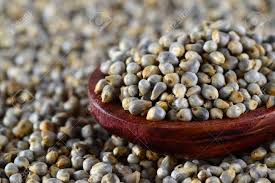
Pearl millet or bajra is said to be a miracle millet with iron content 8 times higher than that present in rice. Other facts about pearl millet nutrition are that it is also rich in protein, fibre, and minerals such as calcium and magnesium. Consumption of pearl millet will help ease constipation issues and any problems with the digestion as well. Because of the nutritional line-up, it can also make for a good lactagogue.

5.Barnyard millet

Image result for barnyard millet images

The fibre will help maintain satiety. Apart from this, millet is rich sources of bone-building minerals calcium and phosphorus. The good antioxidant profile makes it an ideal replacement to rice in dosa/idli/dhokla batters.

6.Kodo millet

Image result for kodo millet imagesImage result for kodo millet images

If you are looking for a millet that closely resembles rice, then it is the Kodo millet. It is easy to digest and is rich in phytochemicals and antioxidants, all of which helps prevent the occurrence of major lifestyle diseases. Weight loss enthusiasts, this is the millet you have to watch out for. Cook it like rice once in a while but without the guilt accompanied by it. Kodo millet has shown to reduce knee and joint pain, helps regularise menstruation in women among others.

  1. Little Millet

Image result for little milletImage result for little millet

The little millet may be called little but in no means its nutritional content is little. It is a rich source of B-vitamins, minerals like calcium, iron, zinc, potassium among others. It also provides essential fats to the body, the kind that helps in weight loss. Its high fibre content is yet another positive making it an ideal part of pongal or even kheer instead of rice.

  1. Proso Millet

Image result for proso milletImage result for proso millet

Like it’s millet cousins, proso millet is rich in protein and low glycemic index carbs. The developed world cultivates this millet to use it as bird feed. It is yet to be consumed as a mainstream millet.

GLOSSARY- NAMES OF MILLETS IN DIFFERENT LANGUAGES

Source:Google & Wikipedia

ENGLISH HINDI TAMIL KANNADA TELUGU MALAYALAM
Finger millet Nachani /mundua Kezhvaragu Ragi Ragula Panji pullu
Kodo millet Koden/Kodra Varagu Harka Arikelu Koovaragu
Foxtail millet Kangni/Rala Thinai Navane Korra Thina
Little millet Kutki Saamai Saame Sama Chama
Barnyard millet Jhangora Kuthiravali Oodalu Odalu Kavadapullu
Pearl millet Bajra Kambu Sajje Sajjalu Kambam
      Sorghum         Jowar      Cholam      Jola       Jonna          Cholam

Millet is generally available in its hulled and whole-grain form. Whether purchasing millet in bulk or in a packaged container, make sure that there is no evidence of moisture.
Store millet in an airtight container in a cool, dry and dark place, where it will keep for several months.
Millet is not a commonly allergenic food and is not known to contain measurable amounts of oxalates or purines.

Nutrition and Cancer

Image result for cancer nutritionThe side effects of cancer and cancer treatment that can affect eating include:
  • Anorexia (loss of appitite).
  • Mouth sores.
  • Dry mouth.
  • Trouble swallowing.
  • Nausea
  • Vomiting
  • Diarrhea
  • Constipation
  • Pain.
  • Depression
  • Anxiety

Cancer and cancer treatments may affect taste, smell, appetite, and the ability to eat enough food or absorb the nutrients from food. This can cause malnutrition (a condition caused by a lack of key nutrients). Malnutrition can cause the patient to be weak, tired, and unable to fight infections or get through cancer treatment. Malnutrition may be made worse if the cancer grows or spreads. Eating too little protein and calories is a very common problem for cancer patients. Having enough protein and calories is important for healing, fighting infection, and having enough energy.
Image result for cancer nutrition

It is important to treat weight loss caused by cancer and its treatment.

It is important that cancer symptoms and side effects that affect eating and cause weight loss are treated early. Both nutrition therapy and medicine can help the patient stay at a healthy weight. Medicine may be used for the following:

  • To help increase appetite.
  • To help digest food.
  • To help the muscles of the stomach and intestines contract (to keep food moving along).
  • To prevent or treat nausea and vomiting.
  • To prevent or treat diarrhea.
  • To prevent or treat constipation.
  • To prevent and treat mouth problems (such as dry mouth, infection, pain, and sores).
  • To prevent and treat pain.

    Surgery and Nutrition

    Image result for cancer nutrition

    Surgery increases the body’s need for nutrients and energy.

    The body needs extra energy and nutrients to heal wounds, fight infection, and recover from surgery. If the patient is malnourished before surgery, it may cause problems during recovery, such as poor healing or infection. For these patients, nutrition care may begin before surgery.

    It is common for patients to have pain, tiredness, and/or loss of appetite after surgery. For a short time, some patients may not be able to eat what they usually do because of these symptoms. Following certain tips about food may help. These include:

    • Increase calories by frying foods and using gravies, mayonnaise, and salad dressings. Supplements high in calories and protein can also be used.
    • Choose high-protein and high-calorie foods to increase energy and help wounds heal. Good choices include:
      • Eggs.
      • Cheese.
      • Whole milk.
      • Ice cream.
      • Nuts.
      • Peanut butter.
      • Meat.
      • Poultry.
      • Fish.
    • If constipation is a problem, increase fiber by small amounts and drink lots of water. Good sources of fiber include:
      • Whole-grain cereals (such as oatmeal and bran).
      • Beans.
      • Vegetables.
      • Fruit.
      • Whole-grain breads.

    Stay away from carbonated drinks (such as sodas) and foods that cause gas, such as:

    • Beans.
    • Peas.
    • Broccoli.
    • Cabbage.
    • Brussels sprouts.
    • Green peppers.
    • Radishes.
    • Cucumbers.

      Nutrition therapy is very important for patients who have a stem cell transplant.

      Transplant patients have a very high risk of infection. High doses of chemotherapy or radiation therapy decrease the number of white blood cells, which fight infection. It is especially important that transplant patients avoid getting infections.

      Patients who have a transplant need plenty of protein and calories to get through and recover from the treatment, prevent weight loss, fight infection, and maintain general health. It is also important to avoid infection from bacteria in food. Nutrition therapy during transplant treatment may include the following:

      • A diet of cooked and processed foods only, because raw vegetables and fresh fruit may carry harmful bacteria.
      • Guidelines on safe food handling.
      • A specific diet based on the type of transplant and the part of the body affected by cancer.
      • Parenteral nutrition (feeding through the bloodstream) during the first few weeks after the transplant, to give the patient the calories, protein, vitamins, minerals, and fluids they need to recover.

Anorexia

Anorexia (the loss of appetite or desire to eat) is one of the most common problems for cancer patients. Eating in a calm, comfortable place and getting regular exercise may improve appetite. The following may help cancer patients who have a loss of appetite:

  • Eat small high-protein and high-calorie meals every 1-2 hours instead of three large meals. The following are high-calorie, high-protein food choices:

    Cheese and crackers.
    Muffins.
    Puddings.
    Nutritional supplements
    Milkshakes.
    Yogurt.
    Ice cream.
    Powdered milk added to foods such as pudding, milkshakes, or any recipe using milk.
    Finger foods (handy for snacking) such as deviled eggs, deviled ham on crackers, or cream cheese or peanut butter on crackers or celery.
    Chocolate.

  • Add extra calories and protein to food by using butter, skim milk powder, honey, or brown sugar.
  • Drink liquid supplements (special drinks that have nutrients), soups, milk, juices, shakes, and smoothies, if eating solid food is a problem.
  • Eat breakfasts that have one third of the calories and protein needed for the day.
  • Eat snacks that have plenty of calories and protein.
  • Eat foods that smell good. Strong odors can be avoided in the following ways:
    • Use boiling bags or microwave steaming bags.
    • Cook outdoors on the grill.
    • Use a kitchen fan when cooking.
    • Serve cold food instead of hot (since odors are in the rising steam).
    • Take off any food covers to release the odors before going into a patient’s room.
    • Use a small fan to blow food odors away from patients.
    • Order take-out food.
  • Try new foods and new recipes, flavorings, spices, and foods with a different texture or thickness. Food likes and dislikes may change from day to day.
  • Plan menus ahead of time and get help preparing meals.
  • Make and store small amounts of favorite foods so they are ready to eat when hungry.

Taste Changes

Changes in how foods taste may be caused by radiation treatment, dental problems, mouth sores and infections, or some medicines. Many cancer patients who receive chemotherapy notice a bitter taste or other changes in their sense of taste. A sudden dislike for certain foods may occur. This can cause a loss of appetite, weight loss, and a decreased quality of life. Some or all of a normal sense of taste may return, but it may take up to a year after treatment ends. The following may help cancer patients who have taste changes:

  • Eat small meals and healthy snacks several times a day.
  • Eat meals when hungry rather than at set mealtimes.
  • Eat favorite foods and try new foods when feeling best.
  • Eat poultry, fish, eggs, and cheese instead of red meat.
  • Eat citrus fruits (oranges, tangerines, lemons, grapefruit) unless mouth sores are present.
  • Add spices and sauces to foods.
  • Eat meat with something sweet, such as cranberry sauce, jelly, or applesauce.
  • Find non meat, high-protein recipes in a vegetarian or Chinese cookbook.
  • Use sugar-free lemon drops, gum, or mints if there is a metallic or bitter taste in the mouth.
  • Rinse mouth with water before eating.
  • Eat with family and friends.
  • Have others prepare the meal.
  • Use plastic utensils if foods have a metal taste.

Dry Mouth

The main treatment for dry mouth is drinking plenty of liquids. Other ways to help relieve dry mouth include the following:

  • Keep water handy at all times to moisten the mouth.
  • Eat moist foods with extra sauces, gravies, butter, or margarine.
  • Eat foods and drinks that are very sweet or tart (to increase saliva).
  • Eat ice chips or frozen desserts (such as frozen grapes and ice pops).
  • Drink fruit nectar instead of juice.
  • Suck on hard candy or chew gum.
  • Use a straw to drink liquids.
  • Clean teeth (including dentures) and rinse mouth at least four times a day (after eating and at bedtime). Don’t use mouth rinses that contain alcohol.

Mouth Sores and Infections

  • Eat soft foods that are easy to chew and swallow, such as the following:
    • Soft fruits, including bananas, applesauce, and watermelon.
    • Peach, pear, and apricot nectars.
    • Cottage cheese.
    • Mashed potatoes.
    • Macaroni and cheese.
    • Custards and puddings.
    • Gelatin.
    • Milkshakes.
    • Scrambled eggs.
    • Oatmeal or other cooked cereals.
  • Stay away from the following:
    • Citrus fruits and juices, (such as oranges, tangerines, lemons, and grapefruit).
    • Spicy or salty foods.
    • Rough, coarse, or dry foods, including raw vegetables, granola, toast, and crackers.
  • Use a blender to make vegetables (such as potatoes, peas, and carrots) and meats smooth.
  • Add gravy, broth, or sauces to food.
  • Drink high-calorie, high-protein drinks in addition to meals.
  • Cook foods until soft and tender.
  • Eat foods cold or at room temperature. Hot and warm foods can irritate a tender mouth.
  • Cut foods into small pieces.
  • Use a straw to drink liquids.
  • Numb the mouth with ice chips or flavored ice pops before eating.
  • Clean teeth (including dentures) and rinse mouth at least four times a day (after eating and at bedtime).

    Nausea

    Nausea caused by cancer treatment can affect the amount and kinds of food eaten. The following may help cancer patients control nausea:

    • Eat before cancer treatments.
    • Rinse out the mouth before and after eating.
    • Eat foods that are bland, soft, and easy-to-digest, rather than heavy meals. Eat small meals several times a day.
    • Eat dry foods such as crackers, bread sticks, or toast throughout the day.
    • Slowly sip fluids throughout the day.
    • Suck on hard candies such as peppermints or lemon drops if the mouth has a bad taste.
    • Stay away from foods that are likely to cause nausea. For some patients, this includes spicy foods, greasy foods, and foods that have strong odors.
    • Sit up or lie with the upper body raised for one hour after eating.
    • Don’t eat in a room that has cooking odors or that is very warm. Keep the living space at a comfortable temperature with plenty of fresh air.

      Diarrhea

      Image result for cancer nutrition

      • Eat broth, soups, bananas, and canned fruits to help replace salt and potassium lost by diarrhea. Sports drinks can also help.
      • Drink plenty of fluids during the day. Liquids at room temperature may cause fewer problems than hot or cold liquids.
      • Drink at least one cup of liquid after each loose bowel movement.
      • Stay away from the following:
        • Greasy foods, hot or cold liquids, or caffeine
        • High-fiber foods—especially dried beans and cruciferous vegetables(such as broccoli, cauliflower, and cabbage).
        • Milk and milk products, until the cause of the diarrhea is known.
        • Foods and beverages that cause gas (such as peas, lentils, cruciferous vegetables, chewing gum, and soda).
        • Sugar-free candies or gum made with sorbitol (sugar alcohol).

Low White Blood Cell Counts and Infections

The following may help cancer patients prevent infections when white blood cell counts are low:

Stay away from:

  • Raw eggs or raw fish.
  • Old, moldy, or damaged fruits and vegetables.
  • Food sold in open bins or containers.
  • Salad bars and buffets when eating out.
  • Wash hands often to prevent the spread of bacteria.
  • Thaw foods in the refrigerator or microwave. Never thaw foods at room temperature. Cook foods immediately after thawing.
  • Keep hot foods hot and cold foods cold.
  • Cook all meat, poultry, and fish until well done.
  • Refrigerate all leftovers within 2 hours of cooking and eat them within 24 hours.
  • Buy foods packed as single servings, to avoid leftovers.
  • Do not buy or eat food that is out of date.
  • Do not buy or eat food in cans that are swollen, dented, or damaged.

    Dehydration (Lack of Fluid)

    • Drink 8 to 12 cups of liquids a day. This can be water, juice, milk, or foods that have a lot of liquid in them, such as ice pops, flavored ices, and gelatins.
    • Stay away from drinks that have caffeine in them, such as sodas, coffee, and tea (both hot and cold).
    • Take a water bottle whenever leaving home. It is important to drink even if not thirsty.
    • Drink most liquids between meals.
    • Use medicines that help prevent and treat nausea and vomiting.

Constipation

To prevent constipation:

  • Eat more fiber-containing foods. Twenty-five to 35 gms of fiber a day is best. Food labels show the amount of fiber in a serving. (Some sources of fiber are listed below.) Add a little more fiber each day and drink plenty of fluids at the same time to keep the fiber moving through the intestines.
  • Drink 8 to 12 cups of fluid each day. Water, prune juice, warm juices, lemonade, and teas without caffeine can be very helpful.
  • Take walks and exercise regularly. Wear shoes made for exercise.

To treat constipation:

  • Continue to eat high-fiber foods and drink plenty of fluids. Try adding wheat bran to the diet; begin with 2 heaping tablespoons each day for 3 days, then increase by 1 tablespoon each day until constipation is relieved. Do not take more than 6 tablespoons a day.
  • Stay physically active.
  • Use over-the-counter constipation treatments, if needed. These include:
    • Bulk-forming products (such as Citrucel, Metamucil, Fiberall, and Fiber-Lax).
    • Stimulants (such as Dulcolax and Senokot).
    • Stool softeners (such as Colace and Surfak).
    • Osmotics (such as milk of magnesia).
  • Cottonseed and aerosol enemas can also help. Do not use lubricants such as mineral oil because they may keep the body from using important nutrients the way it should.

Good food sources of fiber include the following:

  • Legumes (beans and lentils).
  • Vegetables.
  • Cold cereals (whole grain or bran).
  • Hot cereals.
  • Fruit.
  • Whole-grain breads.

Nutrition in Cancer Prevention

Image result for cancer nutrition

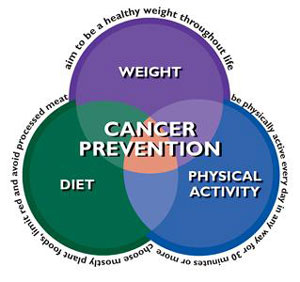
  • Following certain dietary guidelines may help prevent cancer.

    The American Cancer Society and the American Institute for Cancer Research both have dietary guidelines that may help prevent cancer. Their guidelines are a lot alike and include the following:

    • Eat a plant-based diet with a large variety of fruits and vegetables.
    • Eat foods low in fat.
    • Eat foods low in salt.
    • Get to and stay at a healthy weight.
    • Be active for 30 minutes on most days of the week.
    • Drink few alcoholic drinks or don’t drink at all.
    • Prepare and store food safely.
    • Do not use tobacco in any form.


    Image result for cancer nutrition

.

Flaxseed Health Benefits

flax seed

Some call it one of the most powerful plant foods on the planet. There’s some evidence it may help reduce your risk of heart disease, cancer, stroke and diabetes.

History

Flaxseed was cultivated in Babylon as early as 3000 BC. In the 8th century, King Charlemagne believed so strongly in the health benefits of flaxseed that he passed laws requiring his subjects to consume it. Now, thirteen centuries later, some experts say we have preliminary research to back up what Charlemagne suspected.

Flaxseed is found in all kinds of today’s foods from crackers to frozen waffles to oatmeal. The Flax Council estimates close to 300 new flax-based products were launched in the U.S. and Canada in 2010 alone. Not only has consumer demand for flaxseed grown, agricultural use has also increased. Flaxseed is what’s used to feed all those chickens that are laying eggs with higher levels of omega-3 fatty acids.


Image result for health benefits of flax seeds


Although flaxseed contains all sorts of healthy components, it owes its primary healthy reputation to three of them:

  • Omega-3 essential fatty acids, “good” fats that have been shown to have heart-healthy effects. Each tablespoon of ground flaxseed contains about 1.8 grams of plant omega-3s.
  • Lignans, which have both plant estrogen and anti oxident qualities. Flaxseed contains 75 to 800 times more lignans than other plant foods.Only two foods are significant sources of lignans — flaxseeds and sesame seeds — and flaxseeds have nearly eight times more lignans than sesame seeds. Lignans are called plant phytoestrogens because bacteria in the intestine convert them into enterolignans, which subsequently exert a mild estrogenic effect in your body.
  • Fiber. Flaxseed contains both the soluble and insoluble types.

 Flaxseed Nutrition Facts

When you look at the nutritional benefits of flax seeds, there are many things that will catch your attention.

A  1 ounce (3 tbsp) serving of flaxseeds contains:

  • Omega-3 (ALA) 6,338mg
  • Fiber 8g
  • Protein 6g
  • Vitamin B1 31% RDA
  • Manganese 35% RDA
  • Magnesium 30% RDA
  • Phosphorus 19% RDA
  • Selenium 10% RDA
  • Also, flaxseeds contain a good amount of vitamin B6, Iron, potassium, copper and zinc. 

The Health Benefits of Flax

Flax Seeds for Cancer

Image result for health benefits of flax seeds

In animal studies, the plant omega-3 fatty acid found in flaxseed, called ALA, inhibited tumor incidence and growth.

The lignans in flaxseed may provide some protection against cancers that are sensitive to hormones without interfering with the breast cancer drug tamoxifen.

Lignans may help protect against cancer by blocking enzymes that are involved in hormone metabolism and interfering with the growth and spread of tumor cells.

Weight Loss

Dietary fiber is an important weight-loss nutrient and as little as 1 tablespoon of ground flaxseed — containing 2 grams of fiber — may give you enough to make a difference. In a very small study reported in the journal Appetite in 2012, a drink containing 2.5 grams of flaxseed fiber helped suppress appetite and caused subjects to eat less. Dietary fiber adds bulk that fills your stomach. As a result, you feel full sooner and satiety lasts longer, which makes it easier to eat less food. The soluble fiber in flaxseed slows digestion and prevents glucose from spiking blood sugar. Balanced blood sugar helps you lose weight because any excess sugar is stored as fat. High blood sugar has another negative effect on weight loss. It triggers the release of insulin, which tells the body to stop breaking down stored fat. This means you won’t burn excess fat for energy.

The soluble fiber in flaxseed is fermented by bacteria in the colon which increases good bacteria and may help with weight loss. A small study, published in the British Journal of Nutrition in April 2015, reported that insulin sensitivity improved in overweight postmenopausal women when they consumed flaxseed. Insulin resistance is a pre-diabetic condition in which the body no longer responds to insulin in a normal fashion. If you’re insulin resistant, improving insulin sensitivity will help you lose weight.

Lower Cholesterol

Image result for health benefits of flax seeds

Lignans may help prevent cardiovascular disease by lowering cholesterol. They use their antioxidant action to fight inflammation and slow down cancer growth, but more research is needed to verify their effectiveness, according to a report in the British Journal of Nutrition in 2010.

The soluble fiber content of flax seeds trap fat and cholesterol in the digestive system so that it unable to be absorbed. Soluble fiber also traps bile, which is made from cholesterol in the gallbladder.

The bile is then excreted through the digestive system, forcing the body to make more, using up excess cholesterol in the blood and lowering cholesterol overall.

Flaxseeds are High in Antioxidants (Lignans)

Amongst its other incredible nutrition facts, flax seeds are also packed with antioxidants. Lignans are unique fiber-related polyphenols that provide us with antioxidant benefits for anti-aging, hormone balance and cellular health. Lignans are also known for their anti-viral and antibacterial properties, therefore consuming flax regularly may help reduce the number or severity of colds and flus.

Healthy Skin and HairImage result for health benefits of flax seeds

If you want healthier skin, hair and nails then consider adding 2 tbsp of flax seeds to your smoothie or 1 tbsp of flax seed oil to your daily routine.

The ALA fats in flax seeds benefits the skin and hair by providing essential fats as well as b-vitamins which can help reduce dryness and flakiness. It can also improve symptoms of acne, rosacea, and eczema. This also applies to eye health as flax can reduce dry eye syndrome.

Digestive Health

Maybe the biggest flax seed benefits come from it’s ability to promote digestive health. The ALA in flax can help protect the lining of the digestive tract and maintain GI health. It has been shown to be beneficial for people suffering from Crohn’s disease or other digestive ailments, as it can help reduce gut inflammation.

You can also take 1-3 tbsp of flax seed oil with 8 oz of carrot juice to help naturally relieve constipation.

Menopausal Symptoms

The lignans in the flax have been shown to have benefits for menopausal women. It can be used as an alternative to hormone replacement therapy because lignans do have estrogenic properties.

These properties may also help reduce the risk of osteoporosis. It can even help menstruating women by helping maintain cycle regularity.

Tips for Using Flaxseed

Image result for health benefits of flax seeds

Many experts believe it’s better to consume flaxseed than flax oil (which contains just part of the seed) so you get all the components.

There are many great ways to add these super seeds into your diet including adding them to homemade muffins, breads and cookies.

One of the most common questions about baking with flax seeds is, does baking have any effect on omega-3 fatty acid?

According to many studies, you can bake flax seeds at 300F for 3 hours and the omega-3’s (ALA) in flax seeds remained stable.

Tips for including flaxseed in your diet include:

  • Add 1-3 tablespoons of ground flaxseed to a morning smoothie
  • Mix a tablespoon in with yogurt and raw honey
  • Bake ground flaxseeds into muffins, cookies and breads
  • Add to homemade sprouted granola
  • Can be mixed with water and used as an egg substitute

However the very best way to experience flax seed benefits is to consume them in their sprouted form. Soaking flax seeds and then sprouting them eliminates phytic acid and may greatly increase mineral  absorption. Make sure to take them with plenty of water or other fluids.

.

Nutrition Tips for Kids

By Dhanalakshmi M.Sc., M.Phil

Consultant Nutritionist

imageDo you want to know the right way and amount of nutrition for your kids? Here is a quick overview of nutrition for kids.


Introduction: Nutrition for kids is based on same principles as nutrition for adults. Everyone needs the same type of nutrients such as vitamins, minerals, carbohydrates, proteins and fats. However children needs different amounts of nutrients at different ages.

Checkout these nutrition basics for girls and boys at different ages.

Proteins

image

Choose sea foods, lean meat, poultry, eggs, beans, peas, soy products and unsalted nuts and seeds.

Fruitsimage

Encourage your child to eat a variety of fresh and dried fruits rather than fruit juice. If your child drinks juice, make sure it is 100% juice without added sugars. Keep in mind  that half cup of dried fruits counts as one cup equivalent of fresh fruits. When condSumed in excess the dried fruits can contribute extra calories.

Vegetablesimage

Serve a variety of fresh vegetables. Aim to provide a variety of vegetables including dark,green,red & orange, beans & peas, starchy & others each week. When selecting canned or frozen vegetables, look for options lower in sodium.

Grainsimage

Choose whole grains such as whole wheat, unpolished or brown rice, millets. Limit refined grains.

Dairyimage

Encourage your child to eat and drink fat-free or Low fat dairy products such as milk, yogurt, cheese or fortifed soy beverages.

Aim to limit your child’s calories from,

Added Sugar: Limit added sugars. Fruits and milk are not added sugars. Examples of added sugars include brown sugar, corn sweetness, corn syrup, honey and others.

For more info on sugars read my post on sugarshttps://carethroughnutrition.wordpress.com/2016/09/18/keep-a-check-on-your-added-sugars-or-sweetenerss/

Saturated and Trans fats: Limit saturated fats- fats that mainly comes from animal sources of food, such as red meat, poultry and full fat dairy products. Look for ways to replace saturated fats with vegetable and nut oils, which provide essential fatty acids and vitamin E. Healthier fats are also naturally present in olives, nuts, avocados and seafood. Limit trans fats by avoiding foods that contain partially hydrogenated oil.

Daily guidelines for kids:

Age 4 to 8 years:

Calories: 1200 – 2000

Proteins: 85gms- 150gms

Fruits: 1-2 cups

Vegetables: 1.5-2.5 cups

Grains: 4-5 ounce

Dairy: 2.5 cups

Age  :    9–   13  yea rs

Calories: 1600-2600

Protien: 5-6.5 ounce

Fruits: 1.5-2 cups

vegetables: 2-3.5 cups

Grains: 5- 9 ounce

Dairy: 3 cups

Age: 14–   18 ,years

Calories: 2000 – 3200

Proteins: 5 – 5.7 ounce

Fruits: 2-2.5 cups

Vegetables: 2.5-4 cups

Grains: 6-10 ounce

Dairy: 3 cups

Some healthy snacks for kids:

snacks which are made of ground nut, sesame, moong dhal, tapioca, fruits, vegetables, whole grains, corn, millers,.

eg: groundnut Chili, moong dhal ladoo, whole grain biscuits, tapioca chips, banana chips, sweet corn salad, whole grain pasta, whole grain noodles, veg salad with cheese etc,.

Foods kids should avoid:

Refined foods like bakery foods, white flour ( maida) noodles, pasta, junk foods like burger, pizza made of white flour, soft drinks, juices with sugar etc,.


Must to know and Interesting facts about Added sugars or Sweeteners!!!

Image result for sugars types

There is a reason why organic, natural foods and unprocessed foods are making a comeback. People want to know what they’re putting in their kids’ bodies as well as their own.

To build a healthy eating style and stay within your calorie needs, choose foods and beverages with less added sugars. Added sugars are sugars and syrups that are added to foods or beverages when they are processed or prepared. This does not include natural sugars found in milk and fruits.

Most of us eat and drink too many added sugars from the following foods:

  • beverages, such as regular soft drinks, energy or sports drinks, fruit drinks, sweetened coffee and tea
  • candy
  • cakes
  • cookies and brownies
  • pies and cobblers
  • sweet rolls, pastries, and donuts
  • ice cream and dairy desserts
  • sugars, jams, syrups, and sweet toppings

Today, products that do not claim to have less-sugar that are in fact sweetened with sugar, may also contain artificial sweeteners. And since food manufacturers are not required to notify you on the front of the package when a product contains an artificial sweetener, consumers may need to check the ingredient list carefully. Here is an example of full calorie hot chocolate that contains the same artificial sweetener as its reduced calorie counterpart.

Hot chocolate ingridients

Here are the different types of sweeteners which are classified into Natural ,Artificial sweeteners and Sugar alcohols.

Natural Sweeteners:

These are sugars obtained from natural sources.

White Sugar:

 Image result for white sugar

After the initial boiling of sugar cane juice, it is treated with charcoal (preferably bone charcoal) to absorb unwanted particles and to give a clear, transparent solution. This solution, once it condenses and crystallizes, results in the commonly known form of sugar.Refined white sugar is a simple carbohydrate with lots of calories, no dietary fiber. Being one of the simplest available forms of sucrose, sugar is instantly absorbed in the blood and releases a burst of energy. This may prove harmful for some internal organs such as the kidneys, eyes, and brain, particularly for patients with diabetes.

Jaggery

Image result for jaggery


In the case of jaggery, there is no treatment with any kind of charcoal, nor there is any kind of crystallization. For jaggery, the mother syrup is boiled and boiled continuously until it is formed into a thick paste, which is then poured into molds to make blocks of jaggery of the desired quantity.

Jaggery is far more complex than sugar, as it is made up of longer chains of sucrose. Hence, it is digested slower than sugar and releases energy slowly and not instantaneously. This provides energy for a longer time and is not harmful for the body. However, this does not certify it as fit for consumption by diabetes, because ultimately, it is still sugar. Jaggery also gathers a considerable amount of ferrous salts (iron) during its preparation, as it is prepared in iron vessels. jaggery also contains of traces of mineral salts which are very beneficial for the body.These salts come from the sugar cane juice where it is absorbed from the soil. Furthermore, jaggery is very good as a cleansing agent. It cleanses the lungs, stomach, intestines, esophagus and respiratory tracts. Those who face dust in their day to day life are highly recommended to take a daily dose of jaggery. This can keep them safe from asthma, cough, cold, and congestion in chest.

Molasses:

Image result for molasses

It is a viscous by-product of refining sugarcane or sugar beets into sugar. Molasses contains no protein or dietary fiber and close to no fat. Each tablespoon (20 g) contains 58 kcal (240 kJ), 14.95 g of carbohydrates, including 14.94 g of sugar divided between sucrose, glucose and fructose in rough proportions of 2:1:1.

  • Calcium: 400 mg (50% RDA)
  • Iron: 13 mg (95% RDA)
  • Magnesium: 300 mg (38% RDA)

Brown sugar

Image result for brown sugar

Brown sugar is a sucrose sugar product with a distinctive brown color due to the presence of molasses. It is either an unrefined or partially refined soft sugar consisting of sugar crystals with some residual molasses content (natural brown sugar), or it is produced by the addition of molasses to refined white sugar (commercial brown sugar). As there is more molasses in natural brown sugar, it contains minor nutritional value and mineral content.

One hundred grams of brown sugar contains 373 calories, as opposed to 396 calories in white sugar.

Sugar cane juice

Image result for sugar cane juice

Sucanat:  It is essentially pure dried sugar cane juice. The juice is extracted by mechanical processes, heated, and cooled, forming small brown grainy crystals. Sucanat retains its molasses content.

Fructose

:

Fructose or Fruit sugar is a simple sugar found in many plants.Fructose is found in honey, tree and vine fruits, flowers, berries, and most root vegetables.

High fructose corn syrup (HFCS) is also a sweetener and is used to sweeten foods and beverages.  However, HFCS is not the same as fructose.  HFCS is a mixture of fructose and glucose, made by an enzymatic process from glucose syrup from corn.

Unlike table sugar or HFCS, fructose does not cause a rapid rise and subsequent large fall in blood glucose levels, which means it has a low glycemic load or glycemic index (GI).

Honey

Image result for honey

It is similar to table sugar. Pure raw honey (not heated above 100 degrees) contains small amounts of vitamins, minerals, enzymes, flavonoids and antioxidants. Some research suggests that honey helps in the treatment of gastrointestinal disorders. Honey is as rapidly assimilated in the bloodstream as refined sugar, so is not highly recommended.

Date Sugar:

Image result for date sugar


Date sugar is not really a sugar as it is made from ground, dehydrated dates containing all the vitamins, minerals and fiber found in the fruit. Date sugar is rich in nutrients and is metabolized more slowly than sugar.

Coconut Sugar

:Image result for coconut sugar

Coconut sugar is made in a natural 2-step process:

  1. A cut is made on the flower of the coconut palm and the liquid sap is collected into containers.
  2. The sap is placed under heat until most of the water has evaporated.

Coconut sugar does retain quite a bit of the nutrients found in the coconut palm.Most notable of these are the minerals Iron, Zinc, Calcium and Potassium, along with some short chain fatty acids, polyphenols and antioxidants that may also provide some health benefits.

It contains a fiber called inulin, which may slow glucose absorption and explain why coconut sugar has a lower glycemic index than regular table sugar. Coconut sugar is very high in calories (same as regular sugar).

Palm Sugar

coconut-sugar

Since palm sugar is an unrefined sugar, it is known to be rich in vitamins and minerals. As a result, it has become increasingly popular as a substitute to white and brown sugar. Research studies have found that it contains minerals like potassium, phosphorus, zinc,iron, manganese and copper; small amounts of phytonutrients such as polyphenols, flavonoids and anthocyanidin; and antioxident. It is rich in B vitamins, especially inositol (Vit8) which is needed for the formation of healthy cells, as well as thiamine, riboflavin, folic acid and choline. It contains the same 16 amino acids as present in the sap from which it is derived.

Maple syrup:

Image result for maple syrup

Maple syrup is made from the sap of sugar maple trees. Less refined than white sugar, but at roughly 65 percent sucrose, is basically a sugar equivalent. It has a tiny amount of minerals and a very tiny amount of vitamins.

Barley malt syrup:

Image result for barley malt syrup

Barley malt syrup is made from barley that is sprouted using only the grain’s own enzymes, kiln roasted, and slowly cooked until a thick, dark brown syrup is formed. The sugars in barley malt syrup are complex, thus they are slowly broken down in the body. It has trace amounts of vitamins, minerals and protein. Barley malt syrup, like rice syrup, will not create a sugar high like the simple sugars do as it releases slowly.

Brown rice syrup:

Image result for brown rice syrup

Brown rice syrup is made from cooked brown rice, which is fermented by adding enzymes to turn the starches in the rice into sugars. Brown rice syrup is absorbed easily into our system, leaving less for fat accumulation in contrast with regular sugar. It is a complex sugar thus takes longer to digest and does not create the sugar high that the simple sugars do.

Agave Nectar:

 Image result for agave nectar

AgaveNectar is a juice extracted from agave (which is the same plant they make tequila from). It is 42 percent sweeter than white sugar but has the same caloric value and a low glycemic index — a measurement of the relative ability of a carbohydrate to raise blood glucose levels. It also has an absorption rate slower than that of white sugar.

Stevia:

Image result for stevia

Stevia is a natural sugar alternative that helps to regulate blood sugar and lower blood pressure. Stevia is a complex sugar extract from the plant Stevia Rebaudiana, grown originally in South America. It is an herb native to the Paraguayan Indians who used it before the colonization by the Spaniards in the 16th century. The Brazilian Journal of Medicine showed that Stevia Rebaudiana actually “increased glucose tolerance.”


Sugar Alcohols

Image result for sugar alcohols

The sugar alcohols commonly found in foods are sorbitol, mannitol, xylitol, isomalt, and hydrogenated starch hydrolysates. Sugar alcohols come from plant products such as fruits and berries. The carbohydrate in these plant products is altered through a chemical process. These sugar substitutes provide somewhat fewer calories than table sugar (sucrose), mainly because they are not well absorbed and may even have a small laxative effect.

Many so-called “dietetic” foods that are labeled “sugar free” or “no sugar added” in fact contain sugar alcohols. People with diabetes MISTAKENLY think that foods labeled as “sugar free” or “no sugar added” will have no effect on their blood glucose. Foods containing these sugar alcohols need to have their calorie and carbohydrate contents accounted for in your overall meal plan, as it is carbohydrate that raises blood glucose levels. Since many people typically overeat “sugar free” or “no sugar added” foods, their blood glucose may be significantly elevated.

So the next time you pick up a dietetic food labeled “sugar free” be sure to check the label to see if these sugar alcohols are listed. Most importantly, be sure to check what the total carbohydrate content is per serving of any food, and incorporate that carbohydrate in your overall meal plan. If the product contains any total carb grams, it may likely come from sugar alcohols.

Artificial Sweeteners

Image result for artificial sweeteners

Five most common artificial sweeteners:

  • Saccharin  is calorie-free because the body cannot break it down. It was found to increase bladder cancer in diabetics who used saccharin for years.
  • Aspartameis one of the more common artificial sweeteners today. There are over 92 different health side effects associated with aspartame consumption (a few examples: hearing impairment, epileptic seizures, migraines, irritability, insomnia, shortness of breath, loss of hair and increased craving for sweets).  It also worsens or mimics conditions such as fibromyalgia, MS, lupus, ADD, diabetes, and Alzheimer’s.
  • Sucralose  is a chlorinated artificial sweetener. There have been no long-term human studies on the safety of Splenda; however, issues have been raised about Splenda in a new study from Duke University showing that it will literally destroy all good bacteria in your gut, while increasing acidity which stimulates the growth of harmful bacteria and yeast. Research has shown it to cause shrunken thymus glands, enlarged liver and kidneys, reduced growth rate, decreased red blood cell count and diarrhea.
    • Neotame has a similar structure to aspartame and appears to be even more toxic than aspartame. According to Dr. Janet Starr Hull, “It’s Just Aspartame Without the Warning.”
    • Acesulfame-K is an unsafe chemical.  There has been very little research done but studies have shown that it can produce lung and breast tumors, leukemia and chronic respiratory disease in rats.

    Artificial sweeteners can also cause weight gain!

    Yes it is true! Researchers at Purdue University found that an artificial sweetener makes your body less able to regulate energy. This explains why, when you are eating so little and exercising so much, you find you are STILL gaining weight.

    Also, the body doesn’t recognize chemical sweeteners as food;  it leaves the body feeling unfilled and seeking nourishment, thus increasing your craving for food. The main reason people consume these is to lose weight. Now do you really want to be consuming artificial sweeteners?  I certainly do not! Since these artificial sweeteners came on the market, we have been seeing eating disorders on the rise among younger people.

    Because of very clever advertising, we are to believe we can eat sugar-free foods without penalty. On the other side of this there is a fear that eating REAL food will cause weight gain.

    So my final recommendation about the sugar intake is to avoid all the refined sugars like white sugar, all the artificial sweetners.

    People who are under weight control program can consider having sugar alcohols but again not in excess.

    For kids and adults seeking for highly nutritious foods can opt for jaggery, palm sugar/jaggery, coconut sugar, honey, date sugar, molasses,stevia.

    So look into the nutrition facts of whatever packed foods you and find out the type of sugar in it that and go a head.

    Get educated about sugars for a hassle free lifestyle..

HEALTH BENEFITS OF PEANUT OIL


Image result for PEANUT OIL IMAGES

Sweet, and flavorful peanut oil is organic edible oil obtained from pressing peanut kernels.Today, peanuts are widely cultivated as important oil seeds and a prime commercial crop in China, India, African nations, and the United States of America.

SOURCE

  • Cold pressed peanut oil – This form of peanut oil is more nutritious and it contains the fatty acids in their original form. The peanut oil is generally filtered ( refined ), but for internal consumption, one should prefer the unfiltered one, which is difficult to procure.
  • Roasted peanut oil – This comes from roasted peanuts. It has slightly different nutrient composition that the cold pressed oil because heat changes the nature of chemical bonds in the nutrients. This one has got a richer and more smell in it, so it is preferred in massage sessions.
  • Iodized peanut oil – This oil is supplemented with iodine and is used in places where iodized salt is still not available or not produced.

Physical characteristics of peanut oil

  • Peanut oil is high in energy; 100 g oil provides 884 calories.
  • It is one of the cooking oils with a high smoke point; 450 °F. The property can be employed in setting oil temperatures while deep-frying food items.
  • Peanut oil has very good lipid profile. It has saturated, monounsaturated and polyunsaturated (SFA: MUFA: PUFA= 18: 49: 33) fats in healthy proportions.
  • It is one of the stable cooking oils; having a long shelf life.

    Health benefits of Peanut oil

    • Wonderfully pleasant, sweet-flavored peanut oil is low in saturated fats, free from cholesterol, contains essential fatty acid ( linoleic acid (omega-6)) making it as one of the healthiest cooking oils.
    •  It is a good source of plant sterols, especially β-sitosterol. The FDA has approved that, “Foods containing at least 0.4 gram per serving of plant sterols, eaten twice a day with meals for a daily total intake of at least 0.8 gram, as part of a diet low in saturated fat and cholesterol, may reduce the risk of heart disease.” Phyto-sterols competitively inhibit cholesterol absorption in the gut and thereby can reduce cholesterol levels by 10% to 15%.
    • Peanut oil is high in calories. Its high-calorie value is because of fatty acids. The oil is especially rich in mono-unsaturated fatty acids (MUFA) like oleic acid (18:1) that helps to lower LDL or “bad cholesterol” and increases HDL or “good cholesterol” in the blood. Research studies suggest that Mediterranean diet that is enriched with monounsaturated fatty acids help to prevent coronary artery disease and strokes by favoring healthy blood lipid profile.
    • Peanut oil contains resveratrol, a polyphenol antioxidant, which has been found to have protective function against cancers, heart disease, degenerative nerve disease, Alzheimer’s disease, and viral/fungal infections.
    • Studies suggests that resveratrol cut stroke risk by alteration of molecular mechanisms in blood vessels and by increasing production of the vasodilator hormone, nitric oxide.
    • Peanut oil contains valuable amounts of anti-oxidant vitamin E. 100 g fresh oil has 15.69 mg of alpha-tocopherol and 15.91 mg of gamma-tocopherol. Vitamin E is a powerful lipid soluble antioxidant, required for maintaining the integrity of cell membrane of mucus membranes and skin by protecting it from harmful oxygen-free radicals.
    • In addition to being a vegetable source, peanut oil is also an ideal choice for deep-frying because it can be heated to a higher temperature (smoke point -450 °F). This results in lower oil retention in the fried foods
      Peanut oil (Arachis hypogaea), 
      Nutritional value per 100 g.
      (Source: USDA National Nutrient data base)
      Principle Nutrient Value Percentage of RDA
      Energy 884 Kcal 44%
      Carbohydrates 0 g 0%
      Protein 0 g 0%
      Total Fat 100 g 500%
      Cholesterol 0 mg 0%
      Dietary Fiber 0 g 0%
      Vitamins
      Folates 0 µg 0%
      Niacin 0 mg 0%
      Pantothenic acid 0 mg 0%
      Pyridoxine 0 mg 0%
      Riboflavin 0 mg 0%
      Thiamin 0 mg 0%
      Vitamin A 0 IU 0%
      Vitamin C 0 0%
      Vitamin E 15.69 mg 105%
      Vitamin K 0.7 µg 0.5%
      Electrolytes
      Sodium 0 mg 0%
      Potassium 0 mg 0%
      Minerals
      Calcium 0 mg 0%
      Copper 0 mg 0%
      Iron 0.03 mg <0.5%
      Magnesium 0 mg 0%
      Manganese 0 mg 0%
      Phosphorus 0 mg 0%
      Selenium 0 µg 0%
      Zinc 0.01 mg <1%
      Phyto-nutrients
      Carotene-ß 0 µg
      Crypto-xanthin-ß 0 µg
      Lutein-zeaxanthin 0 µg
      Phytosterols 207 mg

      .

Healthy sodium intake

Image result for sodium intake images

Sodium is essential for life, but getting too much may be bad for your health. Depending on your specific health needs, dietary sodium recommendations range from 1,500 to 2,300 milligrams a day.

The Recommended Daily Sodium Intake

Your body can’t function without sodium; it’s an essential electrolyte that helps regulate blood pressure and fluids, and it’s necessary for the normal workings of your muscles and nerves. But you’re probably getting a lot more sodium in your diet than you need. Salt intake of less than 5 grams per day for adults helps to reduce blood pressure and risk of cardiovascular disease, stroke and coronary heart attack.

  • While minimum amounts of sodium haven’t been set, your body may be able to function on as little as 200 to 500 milligrams a day, according to the World Health Organization.
  • The National Heart Lung and Blood Association reports that 500 mg is a safe daily minimum intake of sodium. This amount will be enough to maintain the bodily functions that require sodium. In an average temperate climate, a normal adult may be able to thrive with as little as 115 mg of sodium each day.
  • The U.S. Food and Drug Administration recommends that individuals consume no more than 2,300 milligrams of sodium per day, and that certain groups limit intake to 1,500 milligrams per day.

What Happens if You Get Too Much Sodium

Consuming too much sodium causes fluid retention in some people. The extra fluid strains the heart and causes an increase in blood pressure. If left uncontrolled, high blood pressure damages your arteries and increases the risk of heart disease, stroke, kidney disease, erectile dysfunction and vision loss. Getting too much dietary sodium is also a risk factor for stomach cancer and osteoporosis.

Sodium in Salt:Image result for salt intake images

1500 mg of sodium amounts to 0.75 teaspoons or 3.75 grams of salt per day, while 2300 mg amounts to one teaspoon or 6 grams of salt per day. Most people today are eating much more than that. The average intake of sodium is about 3400 mg, most of it coming from processed foods.

High Sodium Foods:Image result for high sodium foods images

  • too much salt
  • frozen foods
  • ready to eat cereals
  • vegetable juices
  • canned vegetables
  • packed processed meats
  • soups
  • marinades and flavorings
  • all sauces
  • salted nuts and snacks
  • pre packed foods
  • pickles
  • papads

How to Use the Nutrition Facts Label to Limit SodiumImage result for sodium content label images

If you’re trying to limit your sodium intake, the nutrition facts label is a good place to start. A food that contains 140 milligrams of sodium or less per serving is considered a low-sodium food. A food item can’t be labeled healthy if it has more than 480 milligrams of sodium per serving, according to the Food and Drug Administration and U.S. Department of Agriculture. A meal can’t have more than 600 milligrams per serving. Paying attention to the amount of sodium found in the food you eat may help you stay within the recommended levels.

How to Reduce Sodium Intake

An easy way to limit sodium intake, and promote better health, is filling your diet with whole and minimally-processed foods, such as fresh fruits and vegetables, whole grains, meat, dried beans and milk. Even though many of these foods naturally contain some sodium, the amount is minimal compared to that found in processed foods. For example, half a cup of frozen peas has almost 200 milligrams less sodium than the same size serving of canned peas.

Add flavor using herbs and spices, such as garlic, cinnamon, oregano and basil, instead of salt and high-sodium condiments. Lemon juice, vinegar and most hot sauces also add a little kick without the extra sodium. Avoid using salt during cooking, and if you must use it, just sprinkle on a few grains at the table.

Health Benefits Of Avocado

Avocado Sliced in Half

Avocado” is the fruit of the avocado tree, called Persea americana .

This fruit is prized for its high nutrient value and is added to all sorts of dishes due to its good flavor and rich texture.

Nowadays the avocado has become an incredibly popular food among health conscious individuals. It is often referred to as a super food….

There are many kinds of avocados, and the shape (from pear-shaped to round) and color (from green to black) can vary between them. They can also weigh anywhere from 8 ounces (220 grams) to 3 pounds (1.4 kg).The most popular type is called Hass Avocado.

The yellow-green flesh inside the fruit is eaten, but the skin and seed are discarded.

Incredibly Nutritious: 

Avocados are very nutritious and contain a wide variety of nutrients.Here are some of the most abundant nutrients in a 100 gram serving :

  • Vitamin K: 26% of the RDA.
  • Folate: 20% of the RDA.
  • Vitamin C: 17% of the RDA.
  • Potassium: 14% of the RDA.
  • Vitamin B5: 14% of the RDA.
  • Vitamin B6: 13% of the RDA.
  • Vitamin E: 10% of the RDA.
  • Then it contains small amounts of Magnesium, Manganese, Copper, Iron, Zinc, Phosphorous, Vitamin A, B1 (Thiamine), B2 (Riboflavin) and B3 (Niacin).

This is coming with 160 calories, 2 grams of protein and 15 grams of healthy fats. Although it contains 9 grams of carbs, 7 of those are fiber so there are only 2 “net” carbs, making this a low carb friendly plant food.

Avocados do not contain any cholesterol or sodium and are low in saturated fat.

They are high in Potassium

This nutrient helps to maintain electrolyte imbalance in the body’s cells and serves various important functions.

Avocados are actually very high in potassium… with a 100 gram (3.5 ounce) serving containing 14% of the RDA, compared to 10% in bananas, which are a typical high potassium food.

Several studies show that having a high potassium intake is linked to reduced blood pressure, a major risk factor for heart attacks, strokes and kidney failure.

Avocado is loaded with heart healthy monounsaturated fats:Heart and Stethoscope

Avocados and avocado oil are high in monounsaturated oleic acid, a “heart healthy” fatty acid. This is a monounsaturated fatty acid that is also the major component in olive oil.

Studies have shown that avocados can:

  • Reduce total cholesterol levels significantly.
  • Reduce blood triglycerides by up to 20%.
  • Lower LDL cholesterol by up to 22%.
  • Increase HDL (the “good”) cholesterol by up to 11%.

Oleic acid has been linked to reduced inflammation and been shown to have beneficial effects on genes linked to cancer.The fats in avocado are also pretty resistant to heat-induced oxidation, making avocado oil a healthy and safe choice for cooking.

Avocados are loaded with fiber

Fiber is indigestible plant matter that can contribute to weight loss, reduce blood sugar spikes and is strongly linked to a lower risk of many diseases.

 Soluble fiber is known to be able to feed the friendly gut bacteria in the intestine, which are very important for the optimal function of our bodies.

A 100 gram (3.5 ounce) serving of avocado contains 7 grams of fiber, which is 27% of the recommended daily amount.

About 25% of the fiber in avocado is soluble, while 75% is insoluble.

Avocados are loaded with powerful antioxidants:Eye on White Background

It has nutrients called Lutein and Zeaxanthin, which are incredibly important for eye health. Studies show that these nutrients are linked to a drastically reduced risk of cataracts and macular degeneration, which are common in the elderly.

Therefore, eating avocados should have benefits for eye health over the long term.

Avocado extract may help relieve symptoms of arthritis:

Arthritis is a common problem in Western countries. There are many types of arthritis, and these are often chronic problems that people have for the rest of their lives.Multiple studies have shown that extracts from avocado and soybean oil, called Avocado and Soybean unsaponifiables, can reduce symptoms of arthritis of the bones, called osteoarthritis.

Avocado is delicious and easy to incorporate in the diet: Homemade Guacamole

Not only are avocados healthy, they’re also incredibly delicious and go with all sorts of foods.

You can add them to salads and various sorts of recipes, or you can simply scoop them out with a spoon and eat them plain.

They have a creamy, rich, fatty texture and blend well with various other ingredients.

A notable mention is guacamole, which is arguably the most famous use of avocados. It includes avocado along with ingredients like salt, garlic, lime and a few others depending on the recipe.

At the end of the day, avocados are an awesome food. They’re loaded with nutrients, many of which are lacking in the modern diet.

They are weight loss friendly, heart healthy and… last but not least, taste incredible.

What more could you ask for in a food?


Way to a healthy heart

Be Smoke-free

Smoking is very bad for your heart. It greatly increases the risk of a heart attack, other types of heart disease and stroke.The good news is that once you stop smoking, the extra risk is reduced quickly.Smoking affects the vessels that supply blood to your heart and other parts of your body. It reduces the amount of oxygen in your blood and damages blood vessel walls.You can get lots of help to quit. Talk to your doctor or health practitioner about giving up smoking.

Manage Your Blood Cholesterol

Having high levels of cholesterol in your blood is a risk factor for heart disease, so it’s important to manage your cholesterol.

There are 2 different types of cholesterol:

  • High density lipoprotein (HDL cholesterol) is called the ‘good cholesterol’ because it helps to keep cholesterol from building up in your arteries.
  • Low density lipoprotein (LDL cholesterol) is called the ‘bad cholesterol’ because it is the main source of cholesterol build-up and blockage in your arteries.Total cholesterol is a reading of your good and bad cholesterol.Triglycerides are another form of fat in your blood that can also raise the risk of heart disease.When there is too much cholesterol in your blood, it builds up in the walls of your arteries (plaque).

    Over time, this build up causes ‘hardening of the arteries’  – your arteries become narrowed and blood flow to the heart is slowed down or blocked. You may suffer chest pain and a heart attack.

    Eating foods high in saturated fat and trans fat make your blood cholesterol level go up. Cholesterol in foods also has a small effect. Reducing the amount of saturated fat, trans fat and cholesterol in your diet helps lower your blood cholesterol level. High triglycerides result from eating food high in fat and kilo joules.

Maintain your Blood Pressure

Your blood pressure naturally goes up and down all the time, adjusting to your heart’s needs depending on what you are doing. High blood pressure is when your blood pressure is persistently higher than normal.

A blood pressure reading under 120/80mm Hg is considered optimal. Readings over 120/80mmHg and up to 139/89mmHg are in the normal to high normal range.

Blood pressure that’s high over a long time is one of the main risk factors for heart disease. As you get older, the chances of having persistently high blood pressure increases.

It’s very important to get your blood pressure checked regularly, and if it’s persistently high it needs to be controlled. Uncontrolled high blood pressure can lead to a heart attack or stroke. It may also affect your kidneys.

The exact causes of high blood pressure are often not clear. Your blood pressure may be strongly influenced by:

  • family history
  • eating patterns, including salty foods
  • alcohol intake
  • weight
  • how much physical activity you do.

Some medicines can also raise blood pressure.

Be Physically Active

Regular, moderate physical activity is great for your heart health. It’s never too late to start and get the benefits. For more details of including physical activity in your daily life, look into my previous blog site.   https://carethroughnutrition.wordpress.com/blog/

Achieve and Maintain a Healthy Weight

Maintaining a healthy weight can reduce the risk of heart disease and other health problems.The best way to find out if your weight is a health risk is to check with your nutritionist. The tools like BMI calculator helps you to know your body health condition. Check out in my BMI calculator page. https://carethroughnutrition.wordpress.com/bmi-calculator/

Have Nutritious Foods

Eating a varied diet of healthy foods can help with your weight, blood pressure and cholesterol.

There are also specific changes you can make to your diet to help prevent heart disease:

  • Eat less salt: Reducing your salt intake is good for your blood pressure. Try to avoid table salt, preserved foods, processed foods.
  • Replace unhealthy fats with healthy fats: Replacing saturated and trans fats with unsaturated fats can reduce your risk of heart disease.
  • Limit alcohol:  High calories and alcohol content in the drink increases your risk of heart disease.

Get appointment and consult me to know more about healthy foods for a healthy heart.

Reduce your Stress Levels

We know that there can be a greater risk of heart disease for people who have depression, are socially isolated or do not have good social support. Having a good social life with family and friends can help.

Stress at office also increases your blood pressure which in turn leads to heart disease.

Healthy Lifestyle Leads to a Healthy Heart