By Dhanalakshmi M.Sc., M.Phil
Consultant Nutritionist
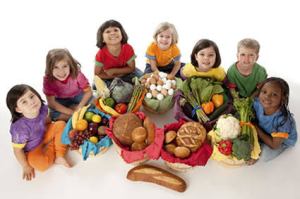 Do you want to know the right way and amount of nutrition for your kids? Here is a quick overview of nutrition for kids.
Introduction: Nutrition for kids is based on same principles as nutrition for adults. Everyone needs the same type of nutrients such as vitamins, minerals, carbohydrates, proteins and fats. However children needs different amounts of nutrients at different ages.
Checkout these nutrition basics for girls and boys at different ages.
Proteins

Choose sea foods, lean meat, poultry, eggs, beans, peas, soy products and unsalted nuts and seeds.
Fruits
Encourage your child to eat a variety of fresh and dried fruits rather than fruit juice. If your child drinks juice, make sure it is 100% juice without added sugars. Keep in mind that half cup of dried fruits counts as one cup equivalent of fresh fruits. When condSumed in excess the dried fruits can contribute extra calories.
Vegetables
Serve a variety of fresh vegetables. Aim to provide a variety of vegetables including dark,green,red & orange, beans & peas, starchy & others each week. When selecting canned or frozen vegetables, look for options lower in sodium.
Grains
Choose whole grains such as whole wheat, unpolished or brown rice, millets. Limit refined grains.
Dairy
Encourage your child to eat and drink fat-free or Low fat dairy products such as milk, yogurt, cheese or fortifed soy beverages.
Aim to limit your child’s calories from,
Added Sugar: Limit added sugars. Fruits and milk are not added sugars. Examples of added sugars include brown sugar, corn sweetness, corn syrup, honey and others.
For more info on sugars read my post on sugarshttps://carethroughnutrition.wordpress.com/2016/09/18/keep-a-check-on-your-added-sugars-or-sweetenerss/
Saturated and Trans fats: Limit saturated fats- fats that mainly comes from animal sources of food, such as red meat, poultry and full fat dairy products. Look for ways to replace saturated fats with vegetable and nut oils, which provide essential fatty acids and vitamin E. Healthier fats are also naturally present in olives, nuts, avocados and seafood. Limit trans fats by avoiding foods that contain partially hydrogenated oil.
Daily guidelines for kids:
Age 4 to 8 years:
Calories: 1200 – 2000
Proteins: 85gms- 150gms
Fruits: 1-2 cups
Vegetables: 1.5-2.5 cups
Grains: 4-5 ounce
Dairy: 2.5 cups
Age : 9– 13 yea rs
Calories: 1600-2600
Protien: 5-6.5 ounce
Fruits: 1.5-2 cups
vegetables: 2-3.5 cups
Grains: 5- 9 ounce
Dairy: 3 cups
Age: 14– 18 ,years
Calories: 2000 – 3200
Proteins: 5 – 5.7 ounce
Fruits: 2-2.5 cups
Vegetables: 2.5-4 cups
Grains: 6-10 ounce
Dairy: 3 cups
Some healthy snacks for kids:
snacks which are made of ground nut, sesame, moong dhal, tapioca, fruits, vegetables, whole grains, corn, millers,.
eg: groundnut Chili, moong dhal ladoo, whole grain biscuits, tapioca chips, banana chips, sweet corn salad, whole grain pasta, whole grain noodles, veg salad with cheese etc,.
Foods kids should avoid:
Refined foods like bakery foods, white flour ( maida) noodles, pasta, junk foods like burger, pizza made of white flour, soft drinks, juices with sugar etc,.
 CARE THROUGH NUTRITION